
How Long Does It Take to Print a Book? Understanding Turnaround Times

Choosing the Right Paper Weight and Finish for Custom Book Printing
August 25, 2026
Prepare Manuscript Files: Margins, Bleeds, Spine Widths
September 7, 2026How Long Does It Take to Print a Book? Understanding Turnaround Times
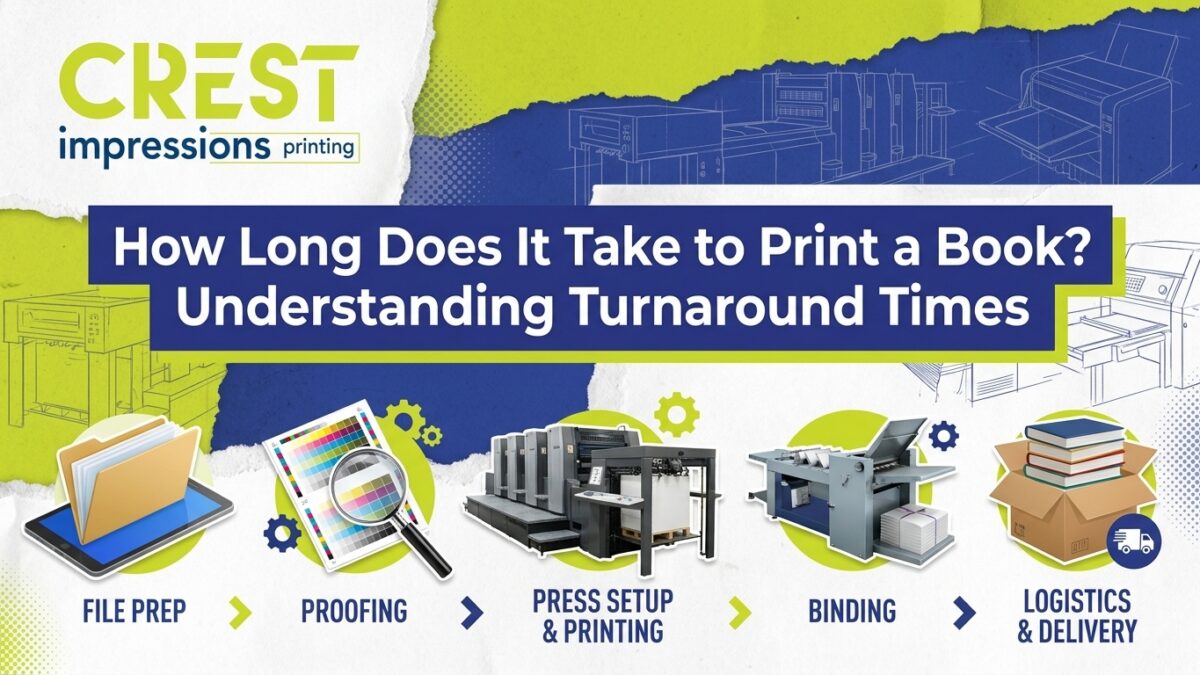
When planning a publishing project, one of the most common questions we hear is: How Long Does It Take to Print a Book? Understanding Turnaround Times is critical for scheduling your launch, coordinating marketing efforts, and ensuring your copies arrive exactly when you need them. While it is tempting to think of printing as a simple push of a button, professional book manufacturing is a multi-step process that involves file preparation, proofing, press setup, binding, and logistics.
To accurately calculate your delivery date, you must look beyond the speed of the printing press itself. A project that takes only a few hours on the machine might require weeks of total turnaround time once preparation, finishing, and transit are factored in. By understanding the variables that dictate production schedules, you can prevent unexpected delays and keep your publishing timeline on track.
Machine Time vs. Turnaround Time: What’s the Difference?
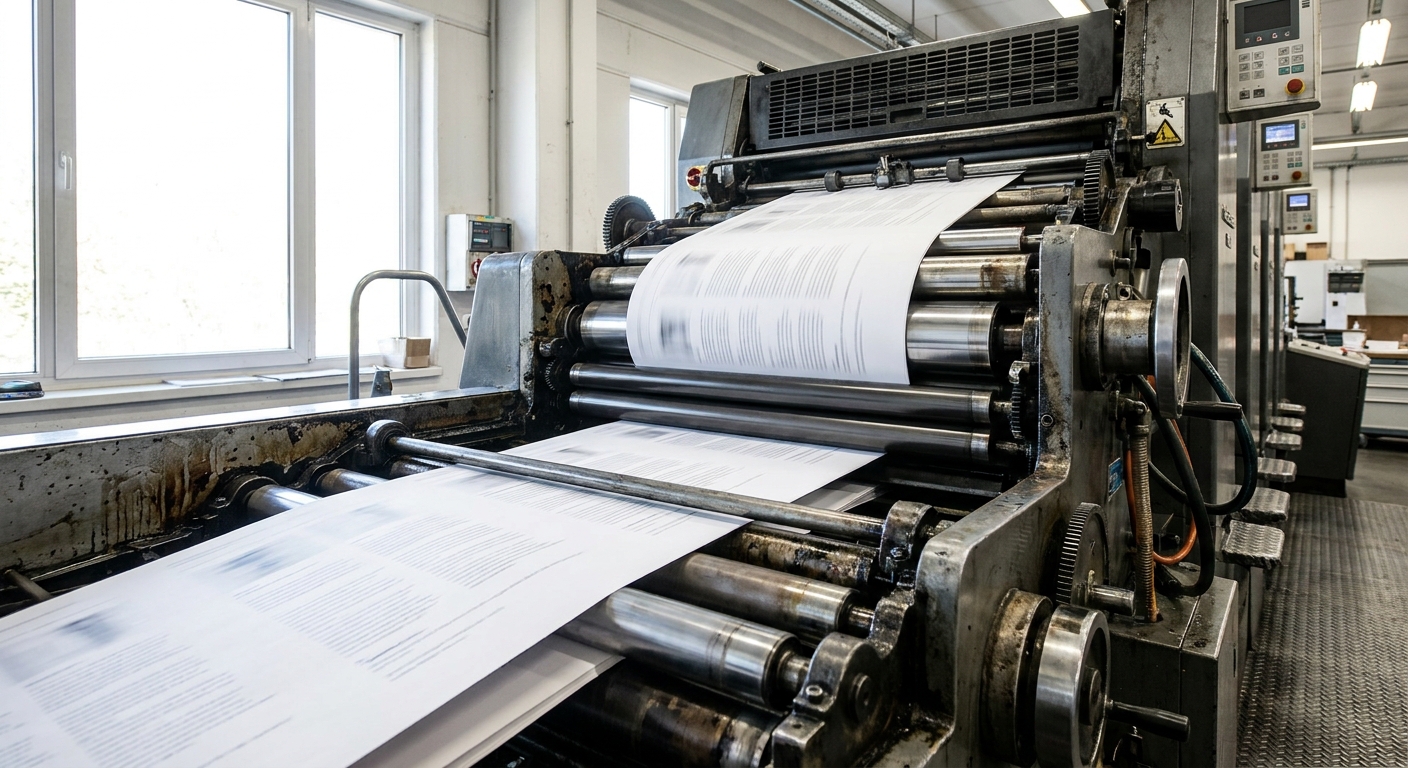
Many authors confuse machine time with total turnaround time. Machine time refers strictly to the hours or minutes your book spends actively running on the printing press. Turnaround time, however, encompasses the entire lifecycle of your order from the moment you submit your files to the day the finished books are packaged and ready for dispatch.
Total turnaround includes receiving the order, reviewing the artwork, preparing the press sheets, printing the interior pages and cover, applying finishes, binding the book, and final quality control. Focusing only on how fast a machine operates will give you an inaccurate picture of your timeline. True turnaround time accounts for every step required to transform digital files into physical books.
When Does the Book Printing Clock Actually Start?
A common misconception is that the production timeline begins the moment an order is placed or files are uploaded. In reality, industry standards dictate that the book printing clock only starts ticking on the first business day following your final proof approval.
If you submit your files on a Friday afternoon but do not approve the digital or physical proof until Tuesday morning, your production timeline officially begins on Wednesday. Weekends and holidays are excluded from this calculation. Understanding this starting line is essential; any delay in reviewing and approving your proofs will push your final delivery date back by an equal amount of time.

The Impact of File Preparation and Proofing on Timelines
The speed of your book’s production relies heavily on the quality of the files you submit. Print-ready artwork moves swiftly through the prepress department, while files with missing bleeds, low-resolution images, or incorrect formatting require manual intervention. When we encounter these issues, production pauses until the files are corrected and resubmitted.
Prompt proof approvals are equally important. Once a proof is generated, the timeline is entirely in the hands of the author or publisher. Reviewing the proof immediately and providing clear, decisive approval ensures the project moves directly into the press queue. If the proof reveals errors that require you to submit new files, the prepress cycle starts over, resetting your turnaround expectations.
Key Factors That Influence Book Production Speed
The physical specifications of your book dictate how quickly it can be manufactured. Every choice, from the quantity ordered to the materials selected, adds or subtracts days from the production schedule.
High-Volume Print Runs vs. Short Runs: Timeframe Expectations
Short print runs utilize digital printing technology, which requires minimal setup and allows for rapid production. If you are printing a few hundred copies, the press time is relatively brief. High-volume print runs typically rely on offset printing. While offset presses run incredibly fast, they require significant setup time to create metal plates and calibrate ink levels. Consequently, large offset runs naturally demand a longer overall timeframe than digital short runs.
How Binding, Coatings, and Finishing Options Affect the Schedule
The complexity of your book’s physical construction directly impacts the schedule. Simple perfect binding or saddle stitching can be completed quickly. However, case-bound hardcover books require intricate assembly, gluing, and drying times, extending the timeline significantly. Similarly, custom finishing options like foil stamping, embossing, or spot UV coatings require additional passes through specialized machines. Each specialized finish adds at least one to two business days to your total production time.

Common Causes for Unexpected Book Printing Delays
Even with perfect files and prompt approvals, external and internal variables can disrupt a printing schedule. Paper stock shortages are a frequent cause of delays. If your chosen paper is unavailable, the project must wait until the specific material arrives at the facility.
Peak season workflow triage also affects timelines. During busy periods, such as the lead-up to the holiday season, production queues are heavily congested, and standard turnaround times may be extended. Since establishing our full-service commercial print shop in 1993, we have successfully managed complex printing schedules for everyone from small businesses to large hospitals. We actively monitor these workflow variables and material inventories to keep your project moving forward smoothly. Weather disruptions can also impact the arrival of raw materials or halt facility operations, adding unavoidable delays to the process.
Production Time vs. Shipping Time: Calculating Your Total Wait
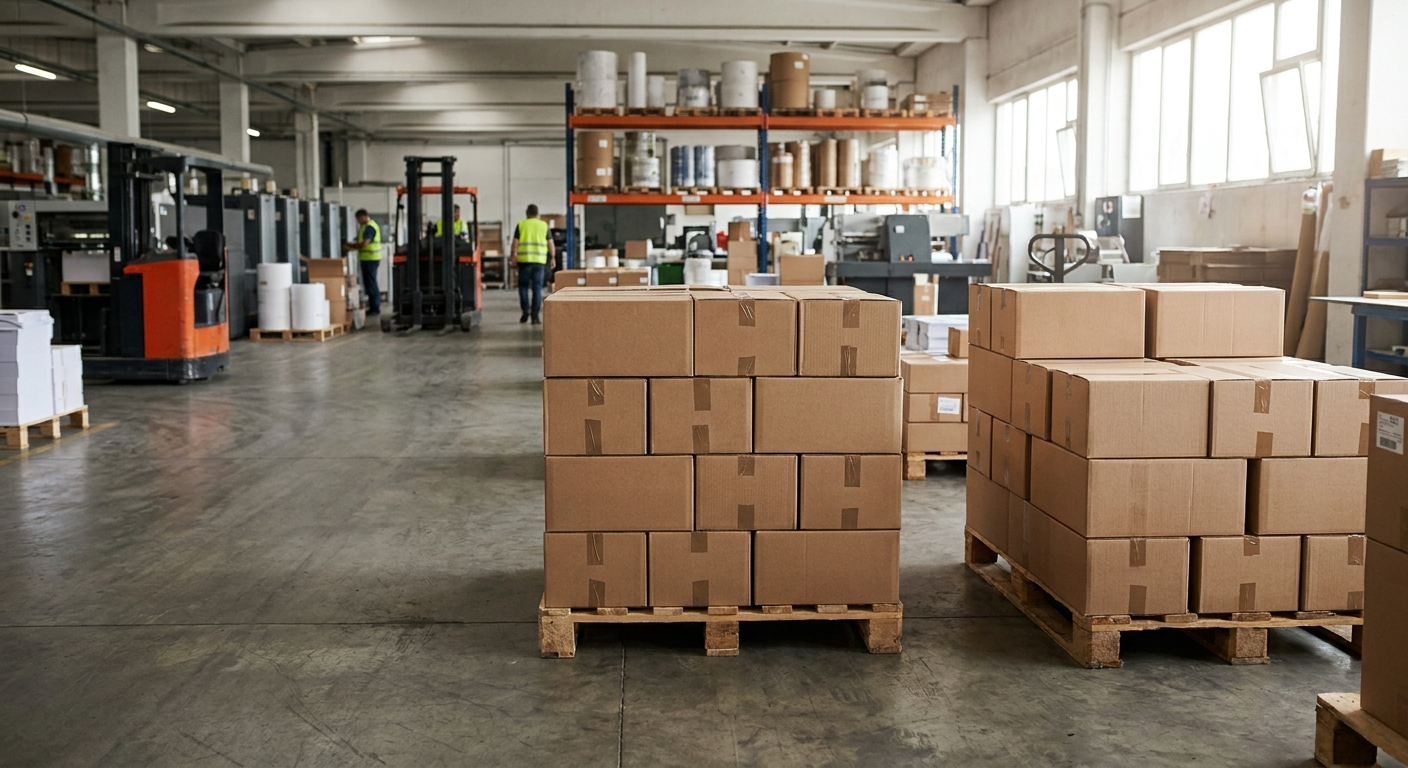
To calculate your total wait time, you must add the manufacturing turnaround time to the transit time. Production time ends the moment your books are packed into boxes. Shipping time is the duration it takes for the courier to transport those boxes from the printing facility to your final destination. Standard shipping can add anywhere from a few days to over a week to your timeline.
Expediting the Process with Local Pickup and Delivery Options
If you are working against a tight deadline, transit time is often the easiest variable to eliminate. Opting for a local printing partner allows you to utilize local pickup or direct local delivery options. Bypassing the traditional shipping network not only shaves days off your total wait but also removes the risk of courier delays, lost packages, or weather-related transit disruptions.
Next Steps: Planning Ahead for a Successful Book Launch
Understanding the distinct phases of book production allows you to plan your publishing schedule with confidence. By factoring in file preparation, proofing cycles, complex finishing requirements, and transit times, you can build a realistic timeline that accommodates the realities of commercial manufacturing. Always include a buffer of at least one to two weeks to absorb any unforeseen delays.
If you are ready to bring your manuscript to life, reach out to our team today to discuss your project specifications and secure your spot in our production schedule.