
Choosing the Right Paper Weight and Finish for Custom Book Printing

Perfect Binding vs. Hardcover: Choosing the Right Binding for Your Book
August 25, 2026
How Long Does It Take to Print a Book? Understanding Turnaround Times
August 25, 2026Choosing the Right Paper Weight and Finish for Custom Book Printing
The physical feel of a book is often the first interaction a reader has with your content, long before they read a single word. The tactile snap of a crisp page, the smooth glide of a matte cover, and the structural integrity of the spine all communicate the quality of the work within. When choosing the right paper weight and finish for custom book printing, the terminology can quickly become overwhelming. Navigating grams per square meter, poundage, and point thickness requires a clear understanding of how these metrics translate into the final physical product.
Every publishing project demands a specific combination of materials to function properly and look professional. A thick, glossy photography book requires vastly different paper mechanics than a lightweight paperback novel designed for portability. By understanding the core principles of paper manufacturing and finishing, publishers and authors can make informed decisions that elevate the reading experience and protect the longevity of their printed works.
Understanding Paper Weight Measurements: GSM, Lb, and Pt
Paper weight and thickness are measured using three primary systems, each serving a distinct purpose in the commercial printing industry. Understanding these metrics is the first step in selecting the correct stock for your publication.
- GSM (Grams per Square Meter): This metric provides a universal, consistent measurement of paper density. Because it measures the exact weight of a one-meter square sheet, a higher GSM always indicates a heavier, denser paper, regardless of the paper type.
- Lb (Pounds): This traditional measurement refers to the weight of 500 sheets of a specific paper type in its uncut, base size. Because base sizes vary between paper categories, poundage can be confusing; a 100 lb sheet in one category may feel entirely different from a 100 lb sheet in another.
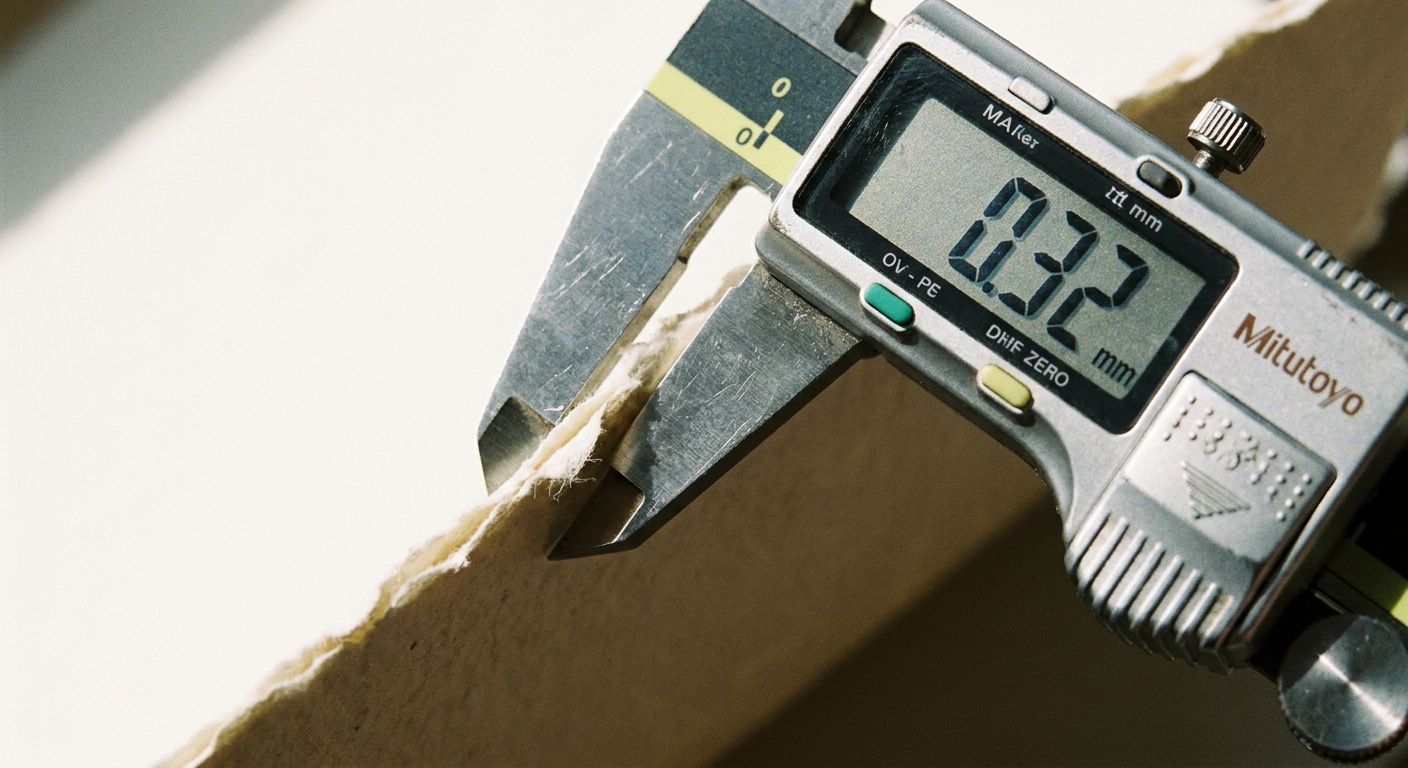
- Pt (Point Thickness): Measured in thousandths of an inch using a caliper, point thickness directly communicates the physical thickness and rigidity of a sheet. A 14 pt cardstock, for example, is 0.014 inches thick.
Text Weight vs. Cover Weight in Book Manufacturing
One of the most common points of confusion in printing is the distinction between text weight and cover weight papers. These two categories are manufactured for entirely different structural purposes within a book.
Text weight papers are engineered for flexibility. They are the standard choice for interior pages, allowing readers to turn pages smoothly without the paper resisting or springing back. Text stocks range from very thin, lightweight sheets used in massive directories to heavier, premium sheets used in high-end magazines.
Cover weight papers, often referred to as cardstock, are manufactured for rigidity and protection. They form the structural exterior of softcover books, providing necessary support for the spine and protecting the delicate interior pages from wear and tear. A critical rule in paper selection is that text and cover weights are not equivalent; an 80 lb text sheet is flexible and thin, while an 80 lb cover sheet is a stiff, durable cardstock.
Selecting the Ideal Interior Page Weight for Your Genre
The interior paper must match the functional requirements of the book’s genre. For text-heavy publications like novels, memoirs, and poetry collections, a 50 lb to 60 lb text weight is standard. This lighter weight ensures the book remains comfortable to hold for extended periods and allows the pages to drape naturally when open.
For visual projects such as art portfolios, children’s books, or culinary guides, a heavier stock is mandatory. An 80 lb or 100 lb text weight provides a substantial, premium feel. More importantly, these heavier stocks are structurally capable of holding dense layers of ink without warping or wrinkling the page.
The Importance of Paper Opacity in Double-Sided Book Printing
Opacity refers to the transparency of a sheet of paper. When printing on both sides of a page, high opacity is essential to prevent text or images from showing through to the reverse side. Heavy ink coverage, such as full-page photographs or dark background graphics, requires a highly opaque paper, typically found in higher GSM text weights or specifically formulated opaque bonds. Selecting a paper with low opacity for a graphic-heavy book will result in distracting visual bleed-through that severely degrades the reading experience.

Choosing the Right Cover Stock for Rigidity and Protection
The cover is the structural foundation of a softcover book. It must be rigid enough to protect the interior pages from bending and resilient enough to withstand repeated handling, shelving, and packing. Most softcover books utilize an 80 lb, 100 lb, or 120 lb cover stock, or a point thickness ranging from 10 pt to 14 pt.
Since establishing our commercial printing operations in 1993, we have guided thousands of organizations in selecting durable cover stocks that ensure their publications withstand heavy daily use. The ideal cover weight depends heavily on the overall page count; a book with three hundred pages requires a thicker, stiffer cover to support the wide spine, whereas a thin saddle-stitched booklet can function perfectly with a lighter 80 lb cover.
Coated vs. Uncoated Paper: Matching Stock to Content
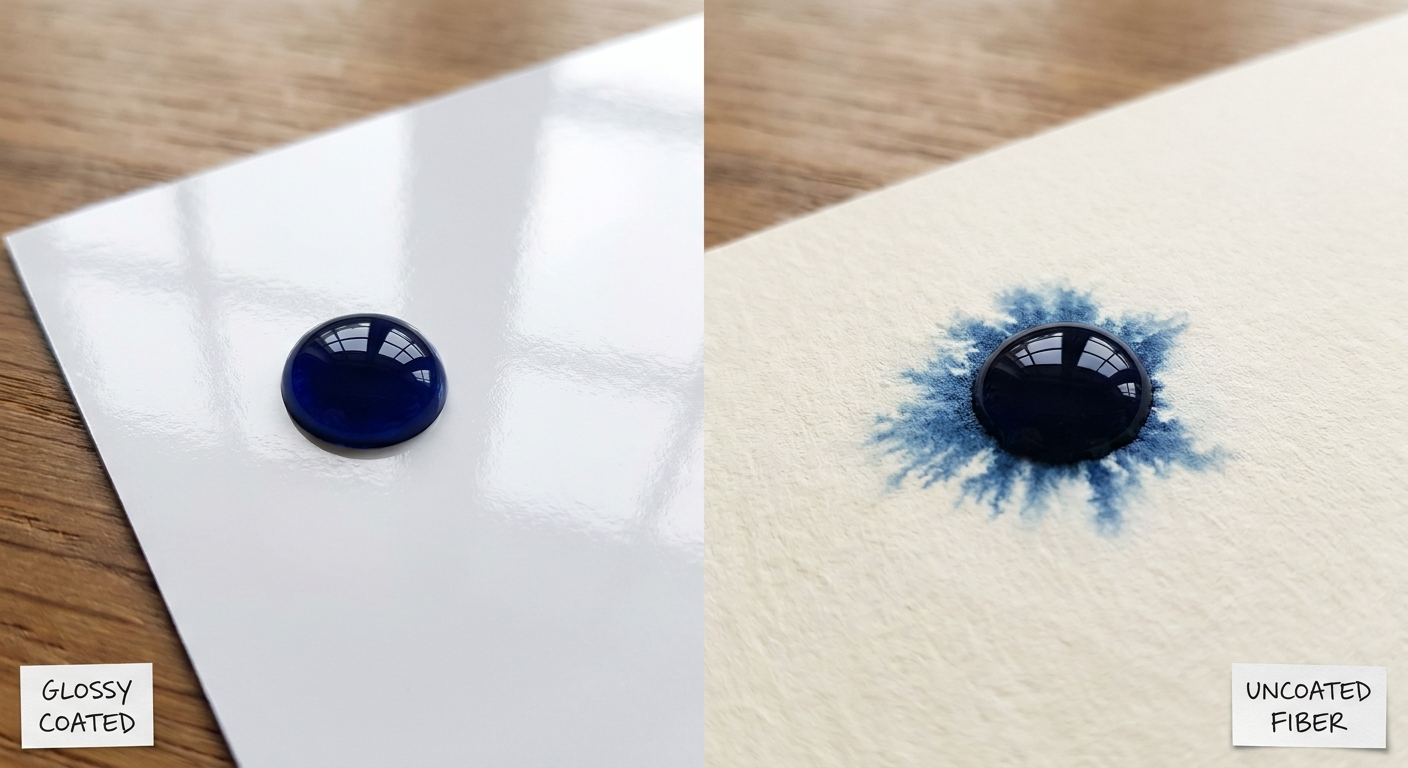
Beyond weight and thickness, the surface treatment of the paper drastically alters both its appearance and its tactile qualities. Uncoated paper features a natural, porous surface that absorbs ink deeply into its fibers. This absorption slightly mutes colors but completely eliminates glare, making uncoated paper the superior choice for text-heavy books where reading comfort is paramount. It is also the necessary choice for workbooks or journals where the user needs to write on the pages.
Coated paper is treated with a microscopic layer of clay that seals the paper fibers. Instead of absorbing into the sheet, the ink sits on top of this coating. This results in incredibly sharp, vibrant image reproduction with deep contrast. Coated stocks are the industry standard for photography books, product catalogs, and any publication where visual impact is the primary goal.
Exploring Book Cover Finishes: Gloss, Matte, and Satin
The exterior finish applied to a book cover enhances its aesthetic appeal while providing a crucial layer of defense against moisture, oils, and friction. Gloss finishes offer a highly reflective, glass-like surface that makes colors pop and provides excellent resistance to scuffs and fingerprints. This finish is highly popular for educational materials and vibrant art books.
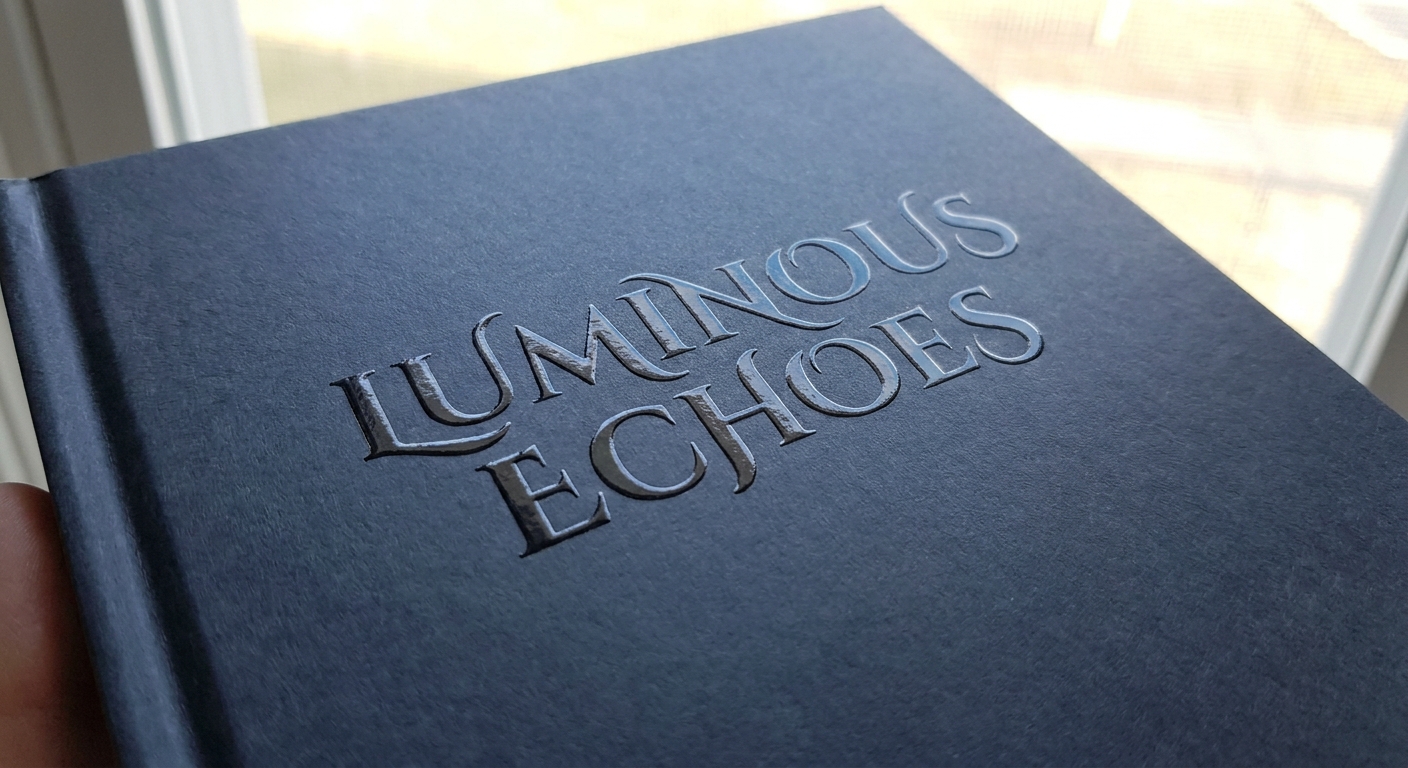
Matte finishes absorb light, delivering a muted, sophisticated elegance that feels smooth to the touch. A matte finish is highly favored for literary fiction, corporate reports, and minimalist designs. Satin or silk finishes offer a middle ground, providing a slight sheen that enhances color depth without the high glare of a full gloss.
Advanced Protective Coatings: Varnishes and Specialty Touches
For projects requiring exceptional durability or striking visual contrasts, advanced coatings are applied during or after the printing process. Varnishes can be applied universally or as a spot treatment to highlight specific elements like a title or logo. Film laminations provide the highest level of structural protection, sealing the cover stock in a thin layer of plastic that prevents the edges from fraying and protects the spine from cracking during heavy use.
Eco-Conscious Paper Choices for Authors and Publishers
Environmental responsibility is a growing priority in the publishing industry. Eco-conscious paper stocks allow publishers to produce high-quality books while minimizing their environmental footprint. Papers featuring high percentages of Post-Consumer Waste (PCW) utilize recycled fibers, diverting material from landfills.
Additionally, many premium printing papers are certified by environmental stewardship councils, ensuring the wood pulp is sourced from responsibly managed forests. Uncoated, recycled papers are particularly popular for independent novels and corporate sustainability reports, offering a slightly textured, organic feel that visibly communicates a commitment to environmental practices.
Finalizing Your Custom Book Printing Strategy
Selecting the perfect combination of paper weight, texture, and finishing is a balancing act between aesthetic desires and functional requirements. A successful publication aligns the physical materials with the intended use of the book, ensuring that heavy ink is supported by opaque, coated stocks, while long-form text is printed on glare-free, flexible pages.
By understanding the mechanics of GSM, cover weights, and protective laminations, you can engineer a book that feels as substantial as the message it carries. We invite you to reach out to our team to discuss your next publishing project, request physical paper samples, and ensure your manuscript is matched with the perfect materials.