
The Advantages of Printing Your Book Locally vs. Overseas

Standard Book Trim Sizes: Choose Right Dimensions by Genre
September 7, 2026The Advantages of Printing Your Book Locally vs. Overseas
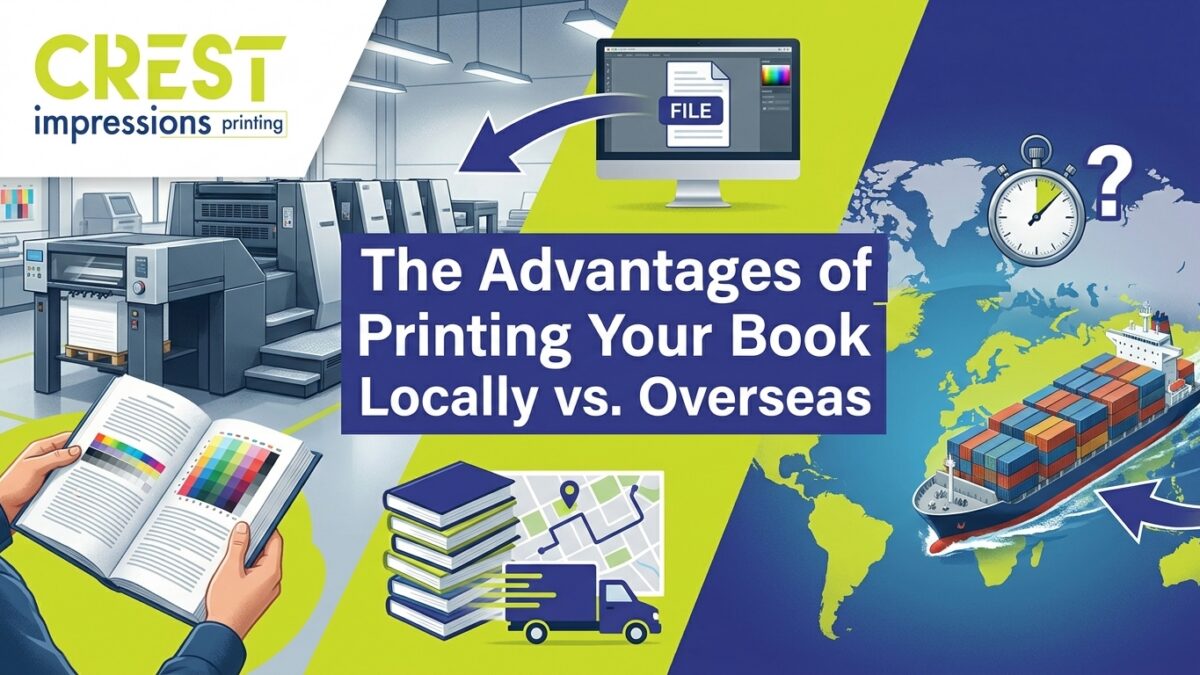
When your manuscript is ready to become a physical book, the decision between printing locally and sending files overseas affects far more than the delivery timeline. It changes how quickly you can hold a test copy, how easily you can catch a color shift in the cover, and how confident you can feel about meeting a launch date.
Many authors assume overseas printing is the only way to produce a professional book, but that assumption overlooks the practical advantages of printing your book locally vs. overseas. From direct communication to faster proofing, local production removes uncertainty at the exact points where book projects most often go wrong.
Personalized Customer Service and Direct Communication: Printing Locally vs. Overseas
Local book printing begins with a person you can sit across from, not a support ticket in a queue. When you print your book locally vs. overseas, the biggest difference is how decisions get made—before, during, and after the press run.

Face-to-Face Consultations
When you print locally, you can bring your manuscript, cover files, and a favorite reference book into a meeting and make decisions together. We can flip through paper samples, compare binding styles, and adjust the spine width on the spot. Overseas printers rely on email threads and file uploads, which makes it harder to communicate the tactile details that define a book’s feel.
Responsive Support and Same-Time-Zone Communication
A local printer works in the same hours you do. If a question comes up mid-afternoon, you can get an answer before the day ends. With overseas production, a simple clarification might wait overnight, and a misunderstanding discovered after a proof arrives can set you back a week or more.
- Immediate answers to formatting or paper questions
- No time-zone lag when approving proofs or changes
- Conversations that capture nuance, not just written notes
Faster Turnaround and No International Shipping Delays: Why Local Beats Overseas
The most visible advantage of printing your book locally vs. overseas is time. When your files are ready, you should not have to build weeks of ocean freight or customs clearance into your launch plan.
Quicker Test Copies and Proofing
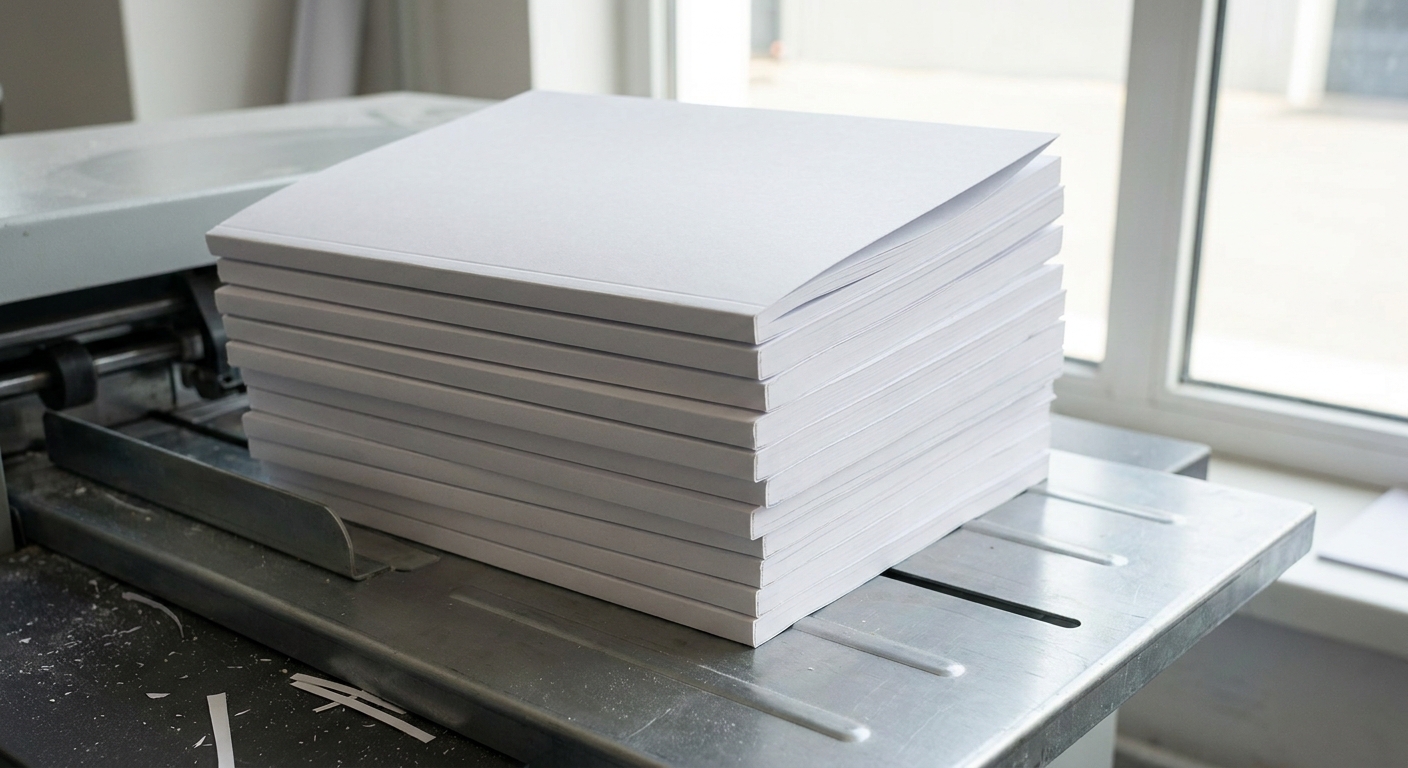
A local print shop can produce a single test copy or a small proofing batch within days, sometimes hours. You can hold that proof, check the cover color and interior margins, and request a correction without waiting for an international package to clear customs.
Meeting Deadlines with Confidence
Book launches, conferences, and signing events run on hard dates. Local production lets you schedule a press check close to your deadline and pick up finished copies yourself if needed. Overseas printing offers no such safety net—one shipping delay can cascade into a missed event.
Supporting the Local Economy and Community: Choosing Local Over Overseas
Printing your book locally vs. overseas is not just a production choice; it is a community investment. When you keep your project local, the dollars you spend stay in the same economy that supports your readers, venues, and fellow authors.

Keeping Money Local
Local printers employ people in your area, buy supplies from nearby businesses, and contribute to the same tax base that funds local libraries and community spaces. Every book you print locally reinforces the infrastructure that makes in-person author events and book fairs possible.
Strengthening the Author Community
When local authors choose local printers, they build relationships that extend beyond a single project. A printer who knows your genre and your audience can recommend trim sizes, paper, and binding that match reader expectations in your market—advice that a distant overseas facility is rarely equipped to give.
Having printed for everyone from small businesses to large institutions since 1993, we know how to keep a complex project on schedule without sacrificing quality.
Hands-On Collaboration and Quality Control: Local vs. Overseas Benefits
The best quality control happens when the person accountable for the final product can stand next to the press. That is a fundamental advantage of printing your book locally vs. overseas.
In-Person Inspection and Sample Review
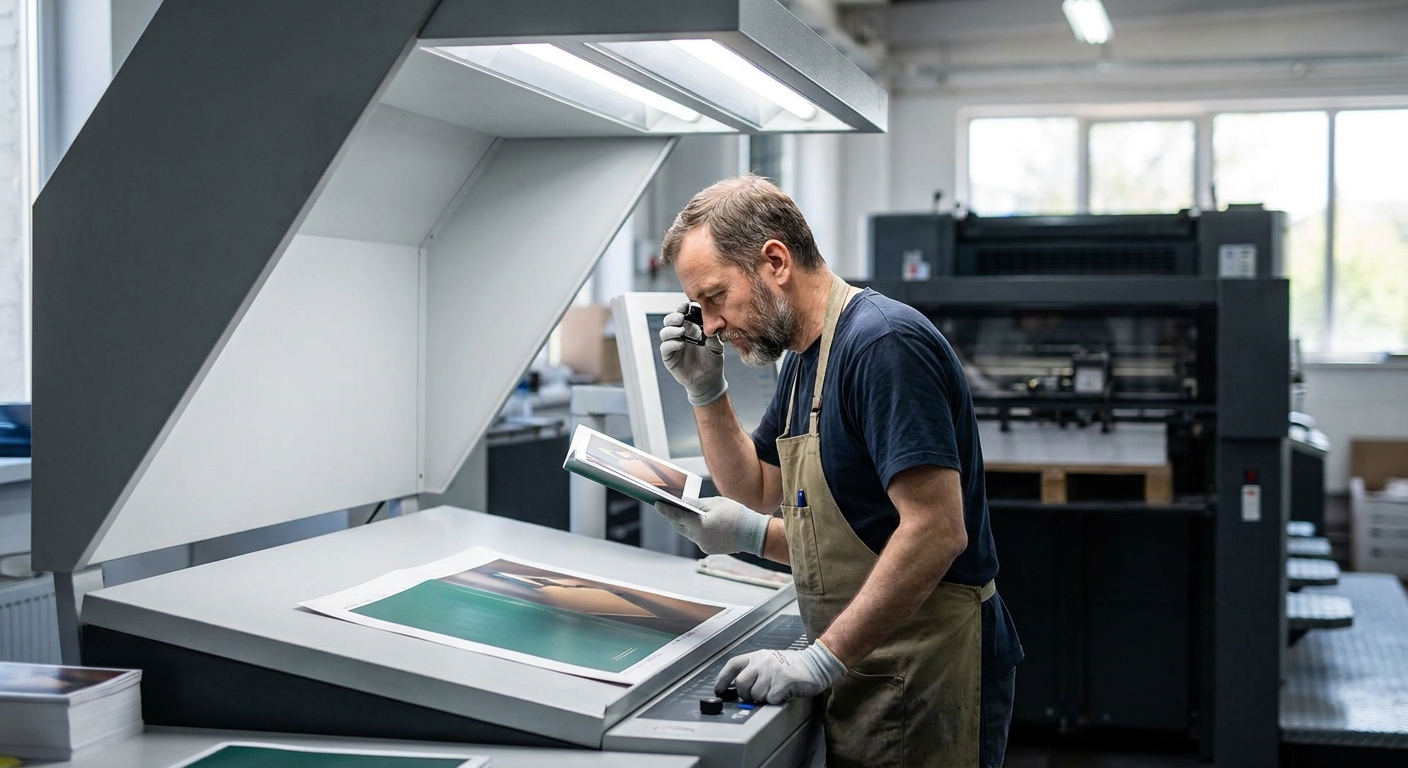
At a local print shop, you can request a press check and watch your book come off the line. You can approve the ink density, check that the spine text is centered, and catch a subtle color shift before hundreds of copies are affected. Overseas printing cannot offer that hands-on moment; by the time you see the books, the run is already complete.
Easier Problem Resolution
If something goes wrong—a bent corner, a misaligned fold, or a wrong paper stock—a local printer can correct it immediately. You can bring the flawed copy into the shop, show the team exactly what you see, and leave with a new proof the same day. Overseas corrections require shipping samples back, waiting for an investigation, and hoping the next run is right.
Conclusion: Making the Right Choice for Your Book, Local vs. Overseas
Printing your book locally vs. overseas gives you direct communication, faster proofing, stronger community ties, and hands-on quality control. These are not abstract benefits—they are the daily mechanics of getting a physical book into a reader’s hands without surprises.
If you are ready to move from manuscript to finished copies, talk to a local printer early in the process. We would be glad to review your files, suggest paper and binding options, and produce a proof you can hold before you commit to a full run.