
Standard Book Trim Sizes: Choose Right Dimensions by Genre

Do You Need an ISBN to Print & Sell Your Own Book in Canada
September 7, 2026
The Advantages of Printing Your Book Locally vs. Overseas
September 7, 2026Standard Book Trim Sizes: Choose Right Dimensions by Genre
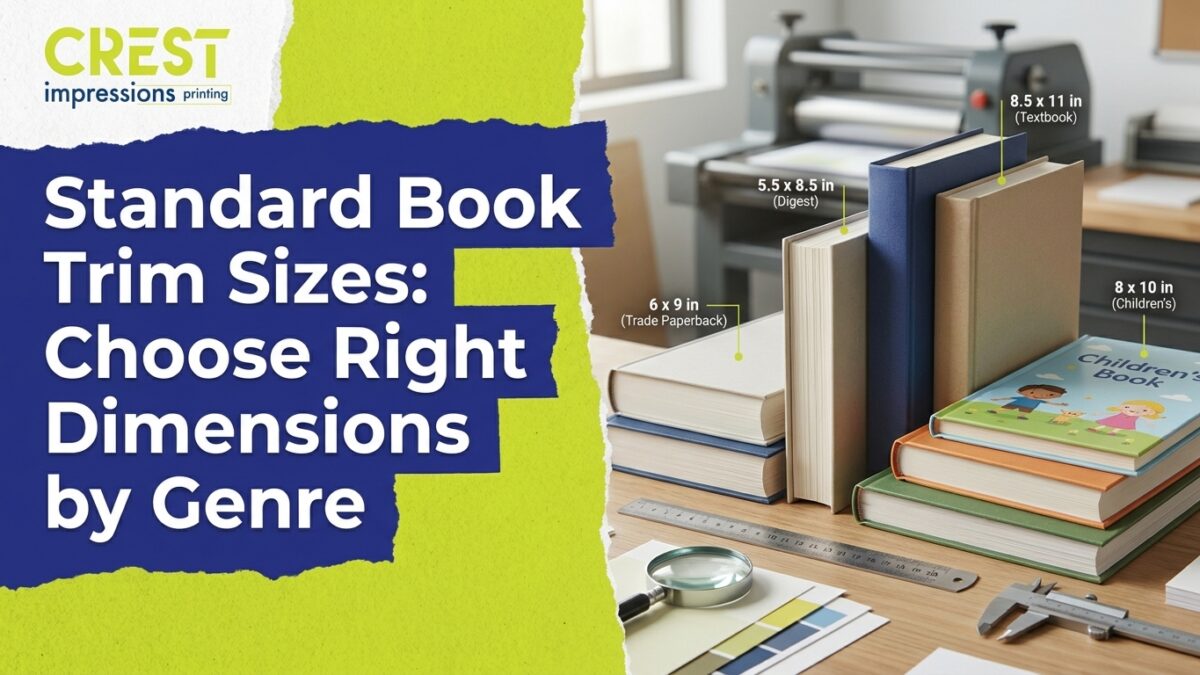
Choosing the right book trim size is one of the first decisions that shapes how readers experience your work. The dimensions of the page influence everything from readability and page count to shelf presence and genre expectations. A trim size that matches your genre signals professionalism and makes the book feel familiar to buyers.
In this guide, we explain the standard book trim sizes for fiction, nonfiction, children’s, and specialty books. We’ll show you how to weigh content type, reader habits, and distribution requirements so your final dimensions support the book’s purpose.
Understanding Book Trim Sizes
What Is a Book Trim Size?
Trim size is the final width and height of a book’s interior pages after the book is printed and trimmed. It is expressed as width by height, such as 6 x 9 inches. For hardcover books, the cover boards are slightly larger, but the trim size refers to the page block itself. Once the book is trimmed, the size is locked in, so getting it right early is essential.
Why Trim Size Matters for Your Book
Trim size affects several core aspects of your book:
- Readability: Page size influences margins, line length, and font size. A size that is too small can feel cramped; too large can make text feel sparse.
- Page count: Larger pages hold more words, reducing total pages; smaller pages increase page count, which can affect thickness and perceived value.
- Genre expectations: Readers associate certain dimensions with certain genres. A mismatch can make a book feel unusual.
- Distribution: Many retail and online platforms require standard trim sizes; custom sizes may limit availability.
Key Factors to Consider When Choosing a Trim Size
Before you settle on a size, assess your manuscript’s content and your target reader. Text-heavy novels benefit from comfortable line lengths and a size that feels familiar in the hand. Image-heavy books need larger pages to show detail. Consider how the book will be used—a novel carried in a bag, a reference book on a desk, or a coffee table book displayed in a living room.
A few practical questions help narrow the choice:
- What trim sizes do bestsellers in your specific subgenre use?
- What is the word count, and how many pages do you want the final book to have?
- Will the interior be mostly text, or does it include tables, charts, or full-bleed images?
- Does your primary distribution channel accept the trim size you’re considering?
Having printed books since 1993, we’ve seen how trim size decisions ripple through a project. It’s why we start every book conversation with genre and reader expectations.
Standard Trim Sizes by Genre
Fiction Books
For general fiction and novels, the most common trim sizes are 6 x 9 inches and 5.5 x 8.5 inches. Many trade paperbacks use these dimensions. Thrillers and mysteries often go slightly smaller at 5.25 x 8 inches. Young adult contemporary fiction frequently appears at 5 x 7 inches, while YA dystopian, fantasy, and science fiction tend to use 5.5 x 8.5 inches. Mass market paperbacks, the pocket-sized editions found in newsstands and groceries, are 4.25 x 6.87 inches.
- 6 x 9 – General fiction, trade paperback
- 5.5 x 8.5 – General fiction, digest
- 5.25 x 8 – Thrillers, mysteries
- 5 x 7 – YA contemporary
- 4.25 x 6.87 – Mass market paperback
Nonfiction Books
Narrative nonfiction, memoirs, and self-help titles commonly use 5.5 x 8.5 inches or 6 x 9 inches. Memoirs often appear at 5.25 x 8 inches or 5.5 x 8.5 inches. Business and self-help books may use 5.25 x 8 inches or 5.5 x 8.5 inches. Larger reference books, workbooks, and textbooks frequently use 7 x 10 inches or 8.5 x 11 inches to accommodate charts, tables, and diagrams.
- 5.5 x 8.5 – Narrative nonfiction, memoir
- 6 x 9 – General nonfiction, reference
- 5.25 x 8 – Memoir, self-help
- 7 x 10 – Reference, textbooks
- 8.5 x 11 – Workbooks, textbooks
Children’s Books
Children’s picture books tend to be larger to accommodate illustrations and larger type. Common sizes include 7.5 x 7.5 inches and 8.5 x 8.5 inches square formats, 7 x 10 inches portrait, and 10 x 8 inches landscape. Middle-grade fiction often uses 5 x 8 inches, while early readers may appear at 6 x 9 inches.
- 7.5 x 7.5 – Square picture book
- 8.5 x 8.5 – Square picture book
- 7 x 10 – Portrait picture book
- 10 x 8 – Landscape picture book
- 5 x 8 – Middle-grade fiction
Specialty Books
Cookbooks, art books, and photography books need room for images. Cookbooks often use 8 x 10 inches or 8.5 x 11 inches. Art and photography books may be square, such as 8 x 8 inches or 12 x 12 inches, or large landscape formats. Comic books and graphic novels have a near-universal standard of 6.625 x 10.25 inches. Poetry collections often use 5.5 x 8.5 inches.
- 8 x 10 – Cookbooks, art books
- 8.5 x 11 – Cookbooks, large format
- 8 x 8 – Square art book
- 12 x 12 – Large square photography book
- 6.625 x 10.25 – Comic book / graphic novel
- 5.5 x 8.5 – Poetry
Trim Size, Page Count, and Reader Expectations
How Trim Size Affects Page Count and Readability
Trim size directly determines how many words fit on a page. A larger page, such as 6 x 9, holds more text than a smaller page like 5 x 8, so the same manuscript produces fewer pages at 6 x 9. Conversely, a smaller trim size increases page count, which can make a short manuscript feel more substantial. However, readability depends on more than word count: line length should be comfortable (typically 45–75 characters per line), and margins must leave enough white space. A size that is too narrow forces shorter lines and more hyphenation; too wide can make lines hard to track.
Matching Reader Expectations: Genre Conventions and Trim Size
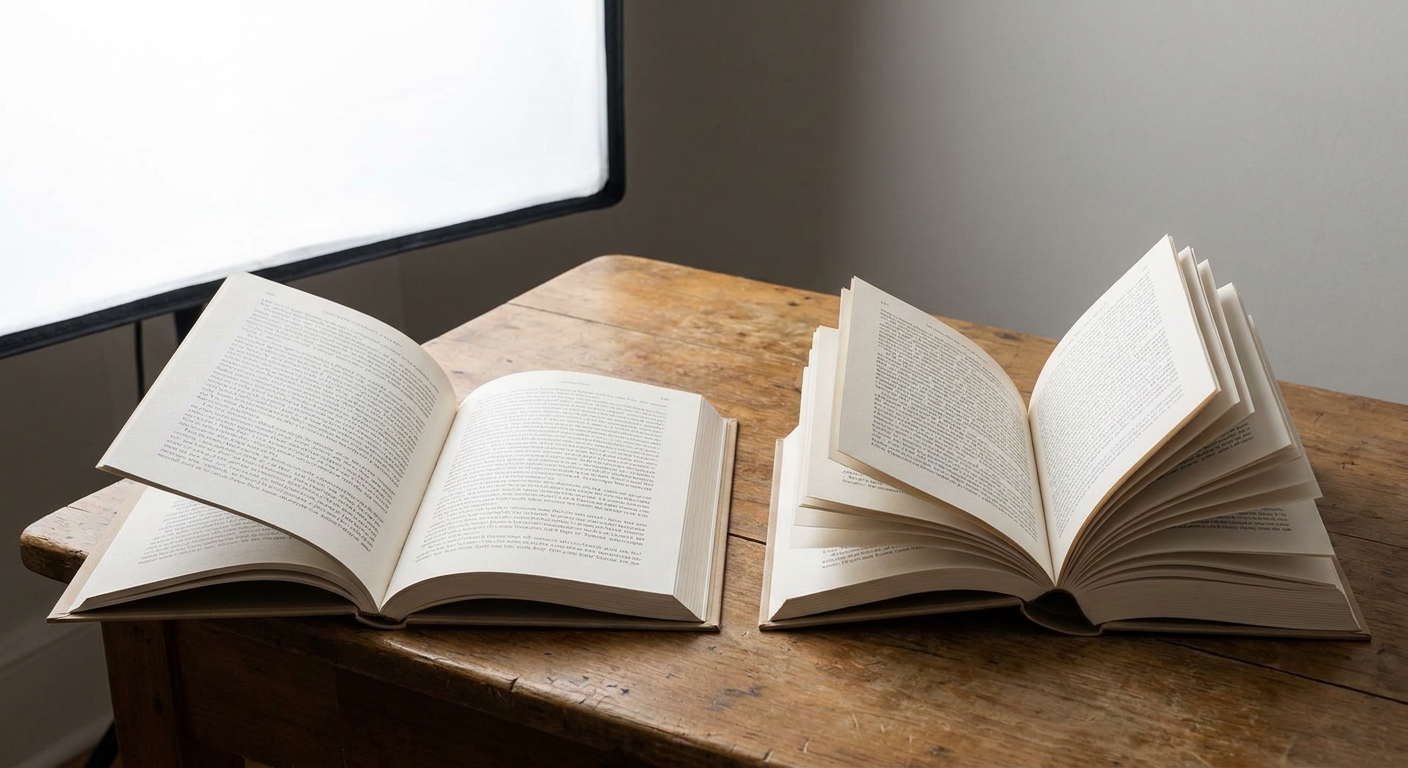
Readers have been trained by established publishers to associate certain sizes with certain genres. A romance reader expects a book that feels like other romances—typically 5 x 8 or 5.5 x 8.5—not a large coffee table format. Choosing a trim size that aligns with genre conventions signals that you understand the market and respect reader habits. When in doubt, visit a bookstore or browse online listings to see what your direct competition is doing, then follow the pattern.
Special Considerations for Trim Size
Choosing Between Portrait and Landscape Orientation
Most books are portrait—taller than wide. Fiction, nonfiction, memoirs, and most children’s early readers use portrait. Landscape—wider than tall—is common for picture books, photography books, and some cookbooks where horizontal images dominate. Square formats work well for art and children’s books that benefit from a balanced page. Orientation is part of trim size, so be clear about width vs. height when specifying dimensions.
When to Consider a Custom Trim Size
Custom sizes are possible, but they come with trade-offs. A custom size can help a book stand out, but it may not be accepted by all distribution channels, and it can complicate layout and binding. We recommend custom sizes only when the content truly demands it—for example, a unique art book or a branded corporate piece—not just for novelty. For most authors, sticking to a standard trim size ensures maximum compatibility and a professional look.
Designing Your Interior: Margins, Bleed, and Gutter in Relation to Trim Size
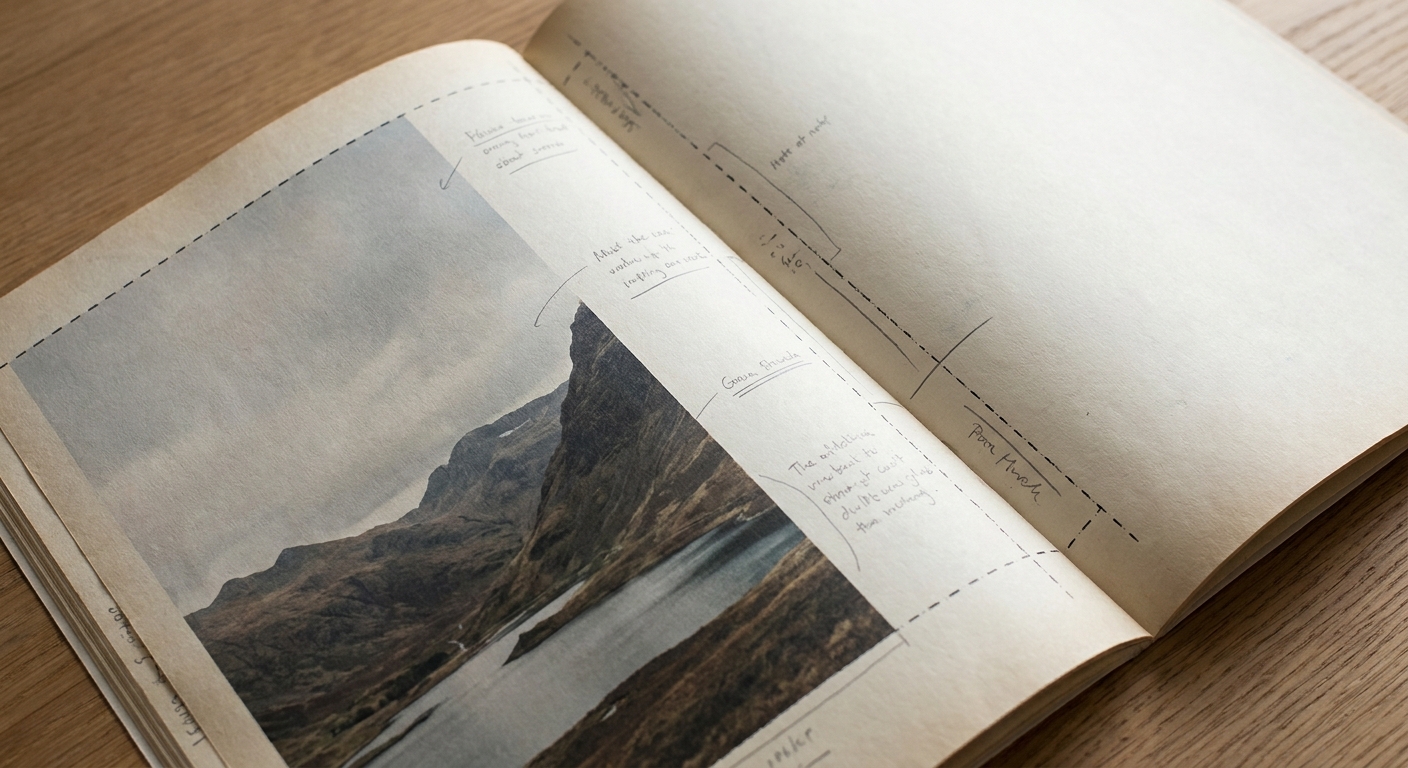
Once you’ve chosen the trim size, your interior layout must be built around it. Set margins that keep text comfortably away from the edges and the spine. The gutter (inner margin) needs extra space so text doesn’t disappear into the binding. If images or color extend to the edge of the page, you’ll need to add bleed—extending those elements slightly beyond the trim line—so that after trimming, no white edges appear. Setting up your document at the correct trim size from the start prevents costly rework and ensures a clean finished book.
Ensuring Compatibility with Distribution Platforms
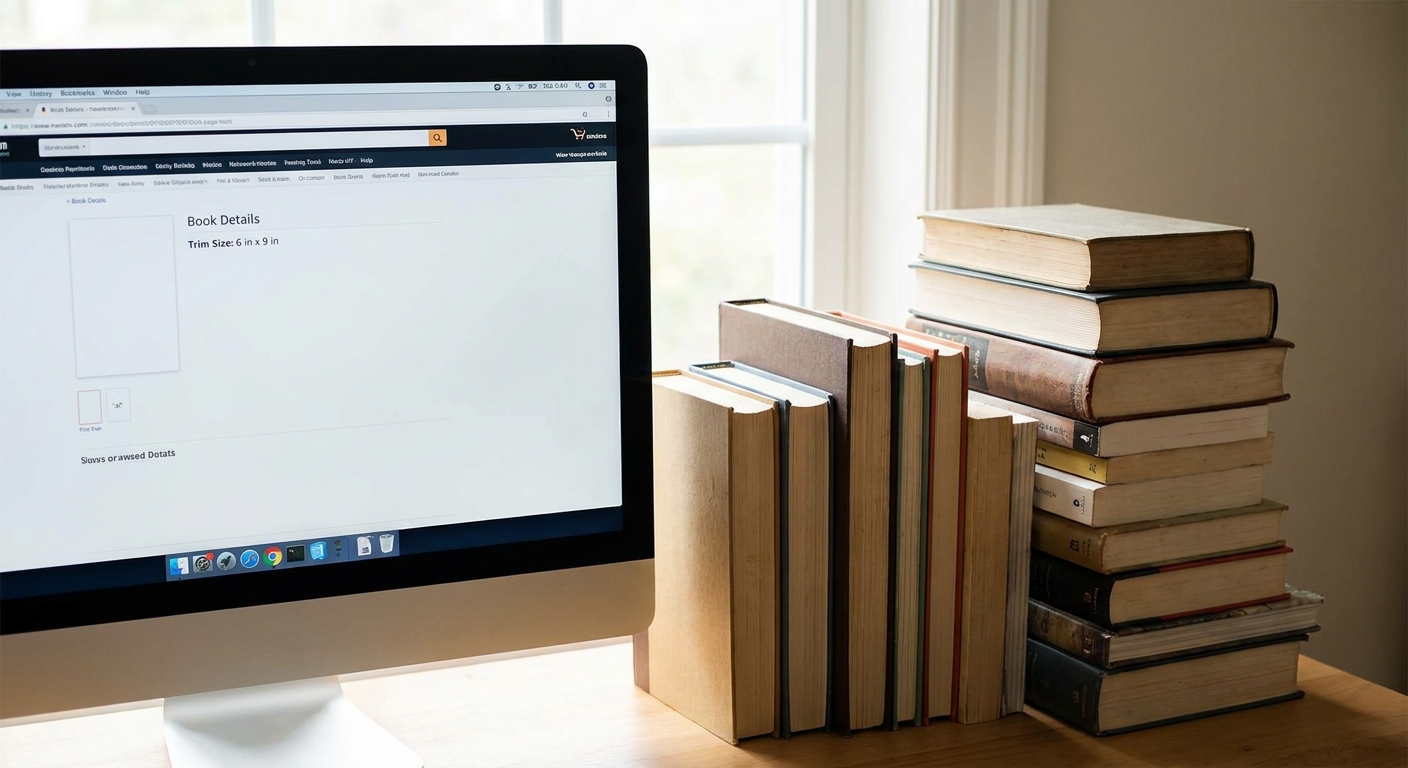
Before finalizing your trim size, confirm that your chosen distribution channels support it. Most print-on-demand services and online retailers list acceptable trim sizes, and choosing one outside that list can prevent your book from being listed. Standard sizes like 5 x 8, 5.5 x 8.5, and 6 x 9 are almost universally accepted, while custom or unusual sizes may require special handling or be unavailable. Always verify the requirements early in the process.
If you need help selecting the right trim size for your manuscript, contact us for a consultation.