
Do You Need an ISBN to Print & Sell Your Own Book in Canada

Prepare Manuscript Files: Margins, Bleeds, Spine Widths
September 7, 2026
Standard Book Trim Sizes: Choose Right Dimensions by Genre
September 7, 2026Do You Need an ISBN to Print & Sell Your Own Book in Canada
Most self-publishing authors in Canada ask the same question before sending a manuscript to print: do you need an ISBN to print and sell your own book in Canada? The short answer is yes for any book you plan to sell or distribute publicly through retailers, libraries, or online stores. An ISBN is the backbone of book metadata, and without one, your book may not make it into the systems that order, track, and sell books.
But the requirement is not one-size-fits-all. A book printed only for private circulation, a family history, or a limited-run handout may not need an ISBN at all. Understanding where the line falls determines whether you spend time on registration before your print run or skip it without consequence. Below we break down exactly when an ISBN is mandatory, how each format is identified, and what happens after you obtain one.
What Is an ISBN?
An ISBN (International Standard Book Number) is a 13-digit numeric code that uniquely identifies a specific edition and format of a book. It is not a legal requirement for copyright, and it does not prove ownership, but it is essential for commercial distribution. Booksellers, wholesalers, libraries, and online retailers use the ISBN to look up your title, order stock, and track sales.
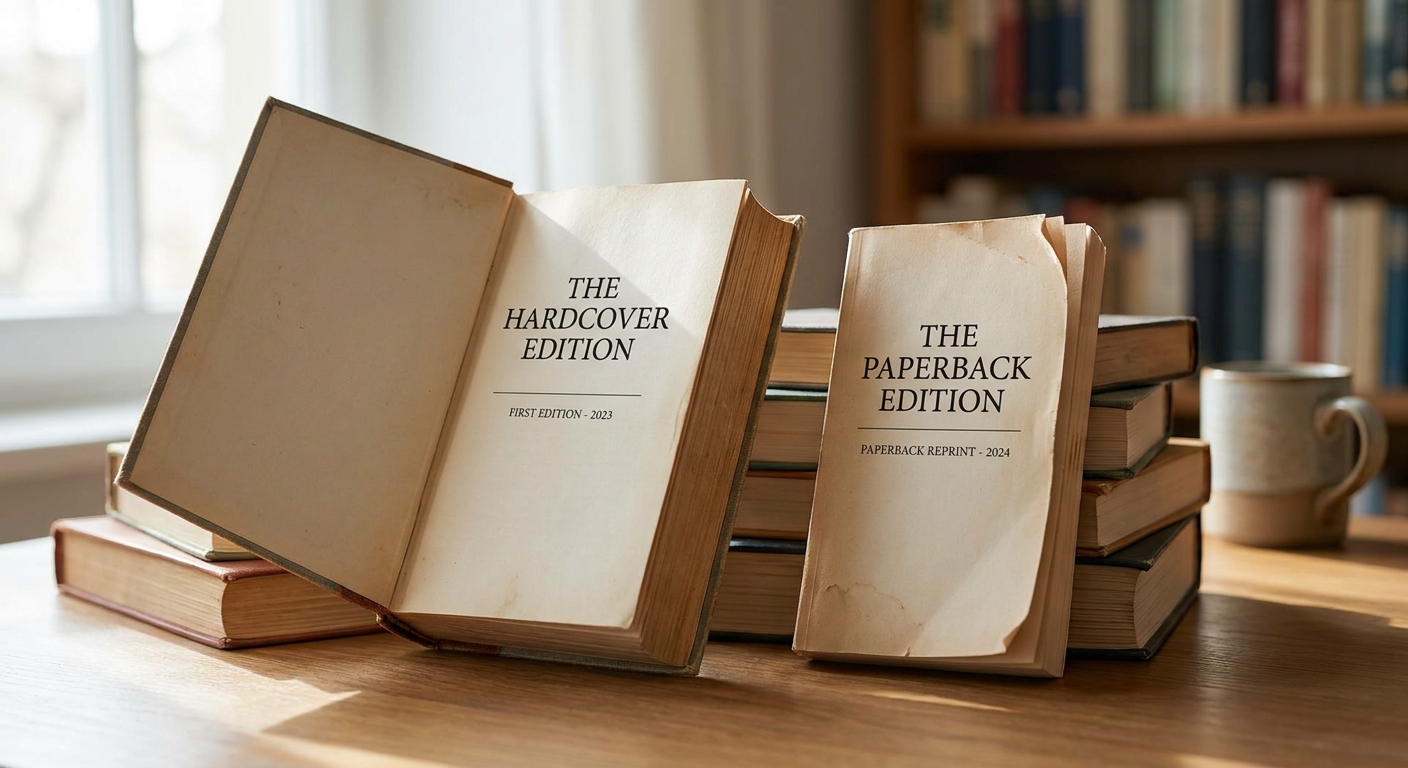
Because the ISBN points to a precise product, a paperback, a hardcover, and an ebook are each treated as separate products. That means a single title often carries multiple ISBNs—one per format. Reusing the same ISBN across formats or significantly revised editions is not allowed.
Do You Need an ISBN for Your Book?
When an ISBN is mandatory
- Printed books (paperback, hardcover, mass market)
- Ebooks sold through any retailer or distributor
- Audiobooks offered for sale
- Educational or instructional DVDs
These are the publication types that must have an ISBN to be made available through public channels, including online bookstores, physical bookshops, library catalogs, and wholesale distribution. If you want your title to appear in the national bibliographic database and be orderable by bookstores, an ISBN is the first step.
Cases where an ISBN may not be necessary
If you are printing books solely for private use—such as a family memoir given to relatives, a church cookbook sold only at a local event without formal distribution, or an internal company manual—an ISBN is not required. The same applies to certain low-content products like blank journals, planners, and activity books, which are not eligible for an ISBN under the national guidelines.
Some self-publishing platforms may allow you to publish an ebook without an ISBN if you are only selling in a closed environment, but that decision limits where your book can be found and sold. In most cases, if you want your book to be available beyond a single channel, an ISBN is necessary.
ISBNs for Different Book Formats
Print formats (paperback, hardcover)
Each print binding requires its own ISBN. A paperback and hardcover are different products with different trim sizes, weights, and inventory codes. Assigning separate ISBNs lets a customer order the exact version they want and lets distributors track stock accurately.
Digital formats (ebook, audiobook)
Ebooks and audiobooks also need unique ISBNs, even if the content is the same as the print edition. An EPUB file and a MOBI file may be considered separate formats depending on how they are distributed, so you may need multiple ISBNs for digital. Audiobooks, whether streamed or downloaded, get their own ISBN as well.
This seems like extra work, but it prevents confusion when a library orders an audiobook versus a paperback, or when an online store links a review to the correct edition.
How to Obtain an ISBN
Official application process
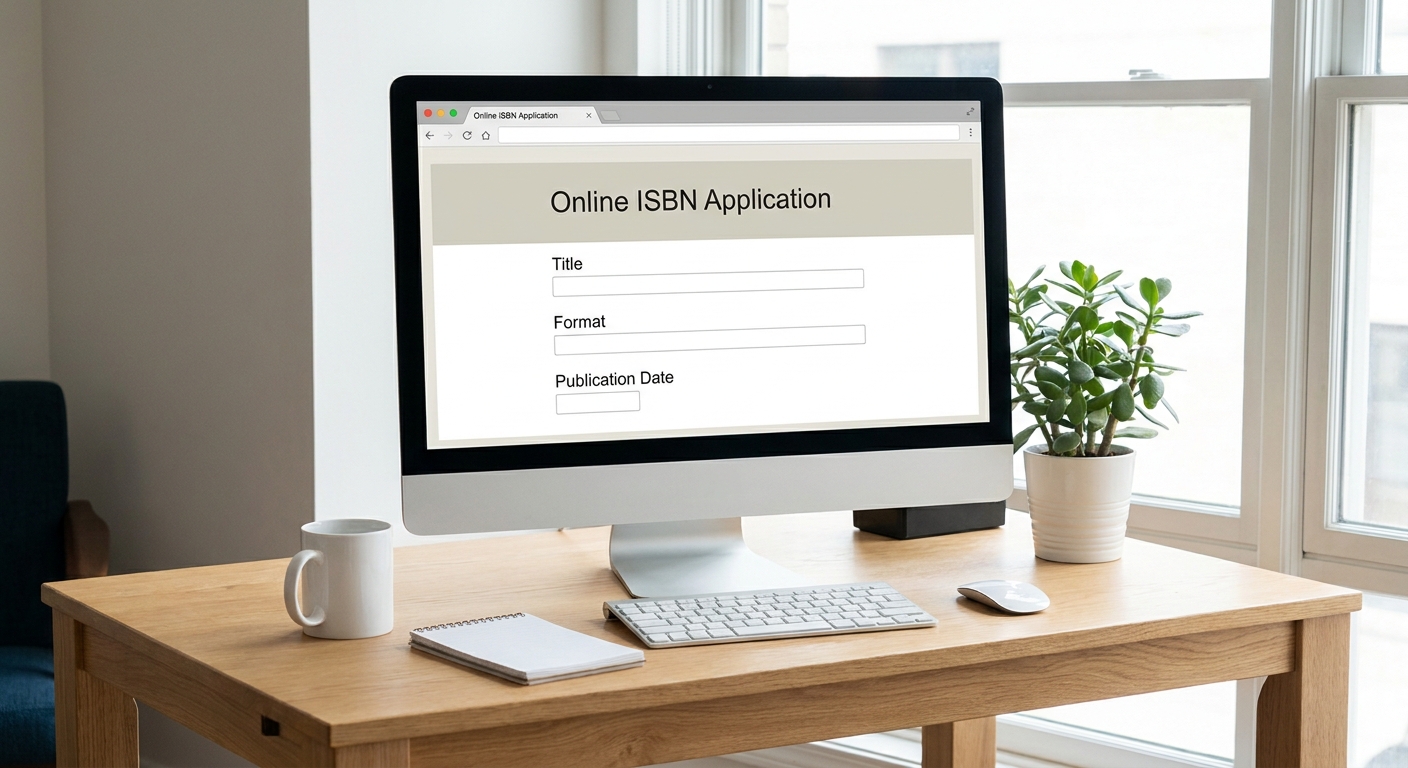
In Canada, ISBNs are issued by Library and Archives Canada through an online service. You start by creating a publisher profile, which requires confirming your eligibility as a Canadian resident or Canadian-based publisher. Once your profile is approved, you log in and generate the ISBNs you need for each format and edition.
Approval can take time, so we recommend applying as soon as your title, format, and publication timeline are confirmed. If you publish exclusively in French, a separate francophone agency handles ISBN assignment, but the application process is similar.
Information needed to apply
- The full title and subtitle, exactly as they will appear
- The format (paperback, hardcover, ebook, audiobook)
- The expected publication date
- Your contact details and, if applicable, your publishing company name
Once an ISBN is assigned to a title and format, it cannot be changed. If you later alter the title, switch formats significantly, or release a revised edition, you will need to apply for a new ISBN. That permanence makes it worth double-checking every field before you submit.
In our print shop, we often walk authors through the production checklist, and one item we emphasize is finalizing the title and format before requesting the ISBN. A last-minute title change after the ISBN is assigned creates avoidable rework.
ISBN Ownership: Self-Registered vs. Platform-Provided
Who is listed as the publisher
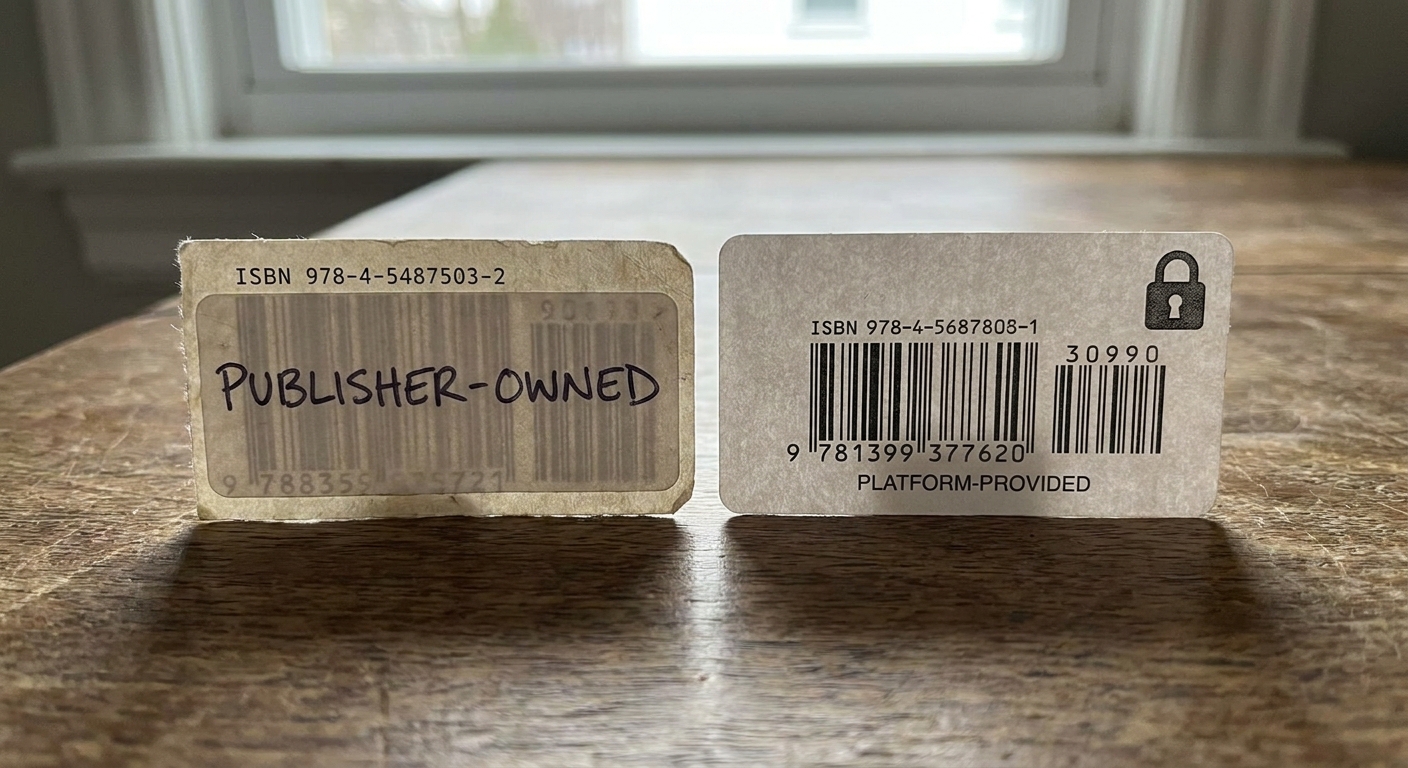
When you register your own ISBN through the national agency, your name or your publishing imprint appears as the publisher of record. When a platform provides an ISBN for you, the platform’s name or "Independently published" is listed as the publisher. That distinction may not matter for a single-channel ebook, but it becomes important when you want to expand distribution.
Implications for distribution and control
An ISBN you own can be used with any printer, distributor, or retailer, giving you full control over metadata updates in catalog systems, and where the book is sold. A platform-provided ISBN is typically locked to that platform—you cannot use the same ISBN to publish the same format elsewhere. If you later switch platforms or want to sell through libraries and bookstores, you will need to assign your own ISBN to that format.
We recommend self-registering an ISBN for every format you plan to publish broadly. That single decision preserves your options and keeps you in control of the book’s identity in the marketplace.
Understanding Legal Deposit Requirements
What legal deposit entails
Legal deposit is a separate legal obligation that requires you to send copies of your published work to the national library for preservation and cataloguing. It applies whether or not you obtained your own ISBN—if your publication is available to the Canadian public, you are generally required to deposit copies. The number of copies depends on the print run size, but at least one copy is typical for small runs.
Who is responsible for depositing
The publisher is responsible for depositing. If you self-publish, that responsibility falls on you, not your printer or the platform. For print books, you send physical copies to the national library; for ebooks, you upload a digital file. Deposits should be made as soon as the publication is available, and the national library provides specific mailing or upload instructions.
Fulfilling legal deposit keeps your book in the national collection and ensures it appears in the national bibliography, which further improves discoverability.
ISBN vs. Barcode: Clearing the Confusion
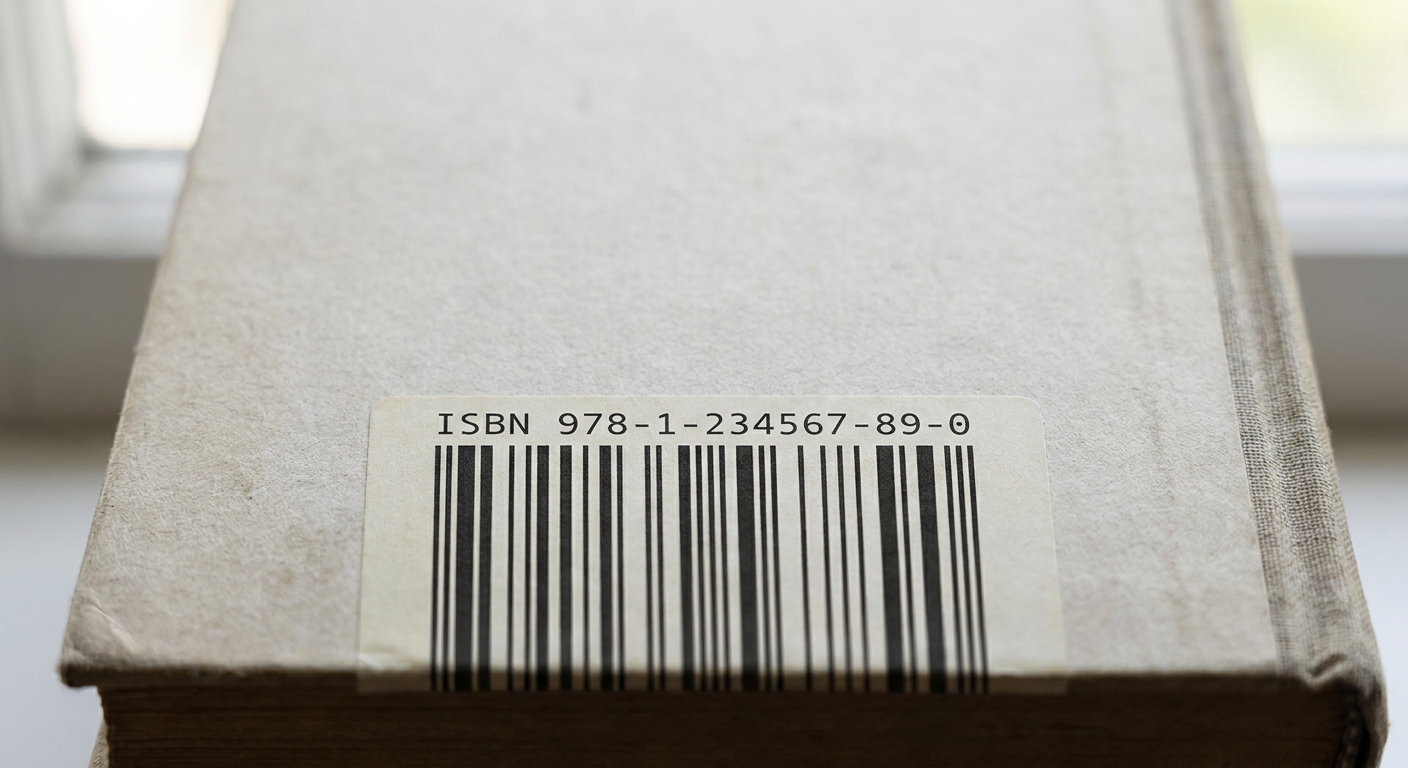
An ISBN and a barcode are not the same thing. The ISBN is a 13-digit number that identifies your book in databases. A barcode is a machine-readable image that encodes information—often including the ISBN—so a scanner at a checkout or warehouse can read it quickly. Most commercially sold print books display both: the ISBN in human-readable form and a barcode that carries the ISBN plus other identifying data.
If you print books for retail sale, you will usually need a barcode on the back cover. The barcode often contains the ISBN, but the ISBN can exist without a barcode. When preparing a print file, ask your printer to generate a barcode from your ISBN, or supply the ISBN so they can place the correct barcode on the cover.
If you are planning a print run and still have questions about how ISBNs fit into your production timeline, contact our team for straightforward guidance.