
Perfect Binding vs. Hardcover: Choosing the Right Binding for Your Book

Can You Print Just One Copy of a Book? A Guide to Short-Run Book Printing
August 25, 2026
Choosing the Right Paper Weight and Finish for Custom Book Printing
August 25, 2026Perfect Binding vs. Hardcover: Choosing the Right Binding for Your Book
The physical construction of a printed volume communicates its purpose before a single word is read. When evaluating perfect binding vs. hardcover: choosing the right binding for your book comes down to balancing mechanical durability with the reader’s tactile experience. The spine structure dictates how the pages turn, how the volume sits on a shelf, and how it withstands repeated handling over time.
We approach book manufacturing by looking at the specific mechanical requirements of the finished piece. By understanding the distinct engineering behind different binding methods, publishers and authors can ensure their content is packaged in a way that perfectly serves its intended audience.
The Importance of Choosing the Right Book Binding
Binding is not merely a finishing touch; it is the structural foundation of your publication. The chosen method directly impacts reader comfort, particularly in how the pages drape and whether the book can remain open unassisted. A well-engineered spine ensures that pages do not detach after multiple readings, while the exterior casing protects the interior paper stock from environmental wear. Furthermore, the binding style sets the professional tone of the work, influencing how it is categorized by distributors and perceived by readers.
What is Perfect Binding?
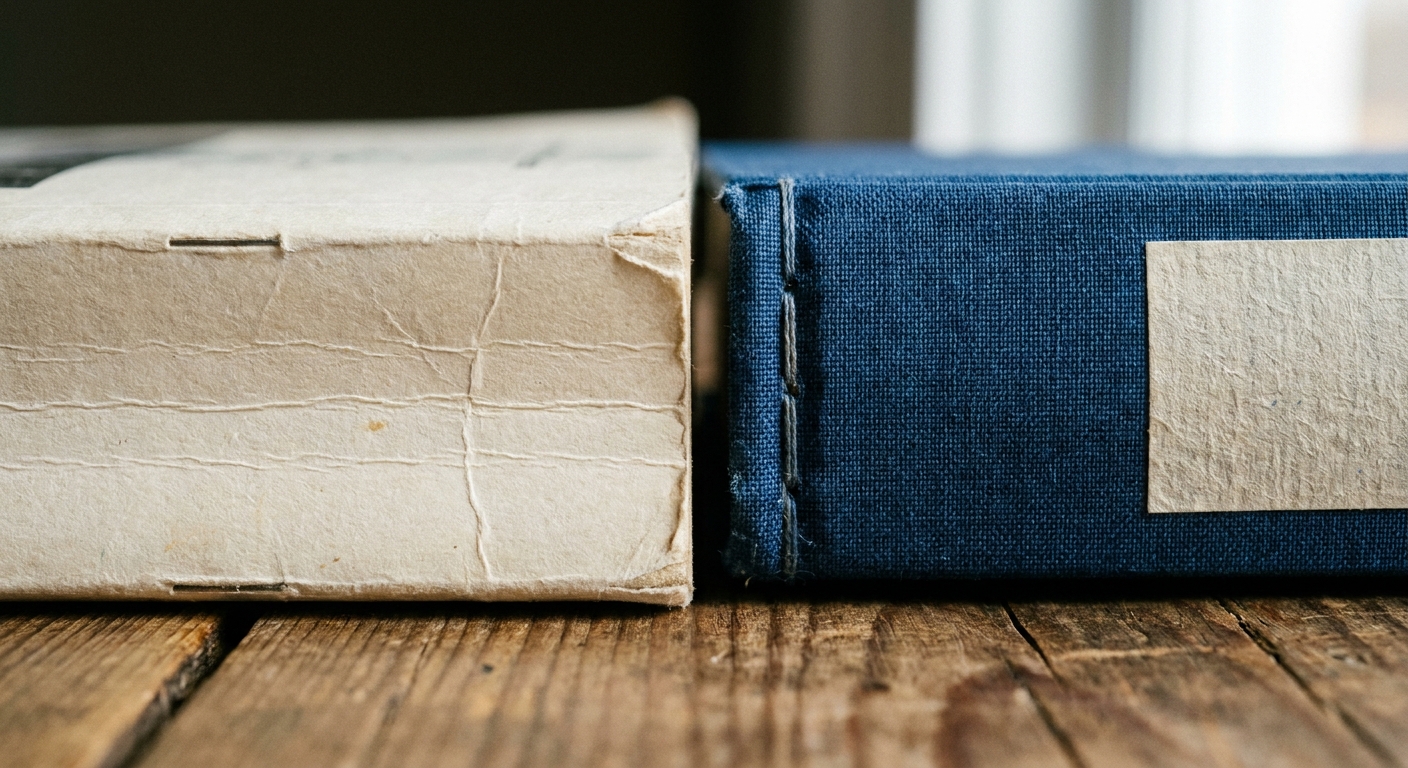
Perfect binding is the industry standard for creating professional, square-spined softcover books. This method relies entirely on specialized adhesives to hold the pages and the cover together, resulting in a clean, flush trim on all three outer edges.
The Mechanics of the Perfect Binding Process
The production of a perfect bound book begins by gathering the printed pages into a stacked block. The spine edge of this block is then milled or ground down, which roughs up the paper fibers and exposes the inner edges of the sheets. This preparation is critical because it creates a textured surface that allows the adhesive to grip the paper securely. Once the spine is milled, a layer of hot-melt adhesive is applied, and a flexible softcover is immediately wrapped around the glued edge. Finally, the top, bottom, and fore-edges are trimmed to create a perfectly uniform finish.
The Role of Strong Adhesives like PUR Glue
The longevity of a perfect bound book relies heavily on the quality of the adhesive. We utilize Polyurethane Reactive (PUR) glue, a modern adhesive that chemically bonds with the paper fibers rather than merely sitting on the surface. PUR glue is significantly stronger and more flexible than traditional EVA adhesives. This flexibility ensures that the spine will not crack when the book is opened wide, and it allows the binding to withstand extreme temperature fluctuations without becoming brittle.
What is Hardcover (Casebound) Binding?
Hardcover binding, also known as case binding, is the traditional method for producing premium, long-lasting volumes. As a full-service commercial printer established in 1993, we understand that professional projects require strict adherence to manufacturing standards to ensure maximum structural integrity. This method encases the interior pages within a rigid, protective shell, offering unparalleled defense against physical damage.
Anatomy of a Hardcover Book
A hardcover book consists of two main components: the book block and the case. The case is constructed from heavy-duty binder’s board, which is then wrapped in materials such as cloth, printed paper, or leather. Inside, the book block is attached to the case using endsheets—strong, folded sheets of paper glued to the inside of the front and back covers. A reinforcing strip of cloth is often applied to the spine of the book block before it is encased, adding an extra layer of stability.
Smyth-Sewn Signatures for Maximum Structural Integrity
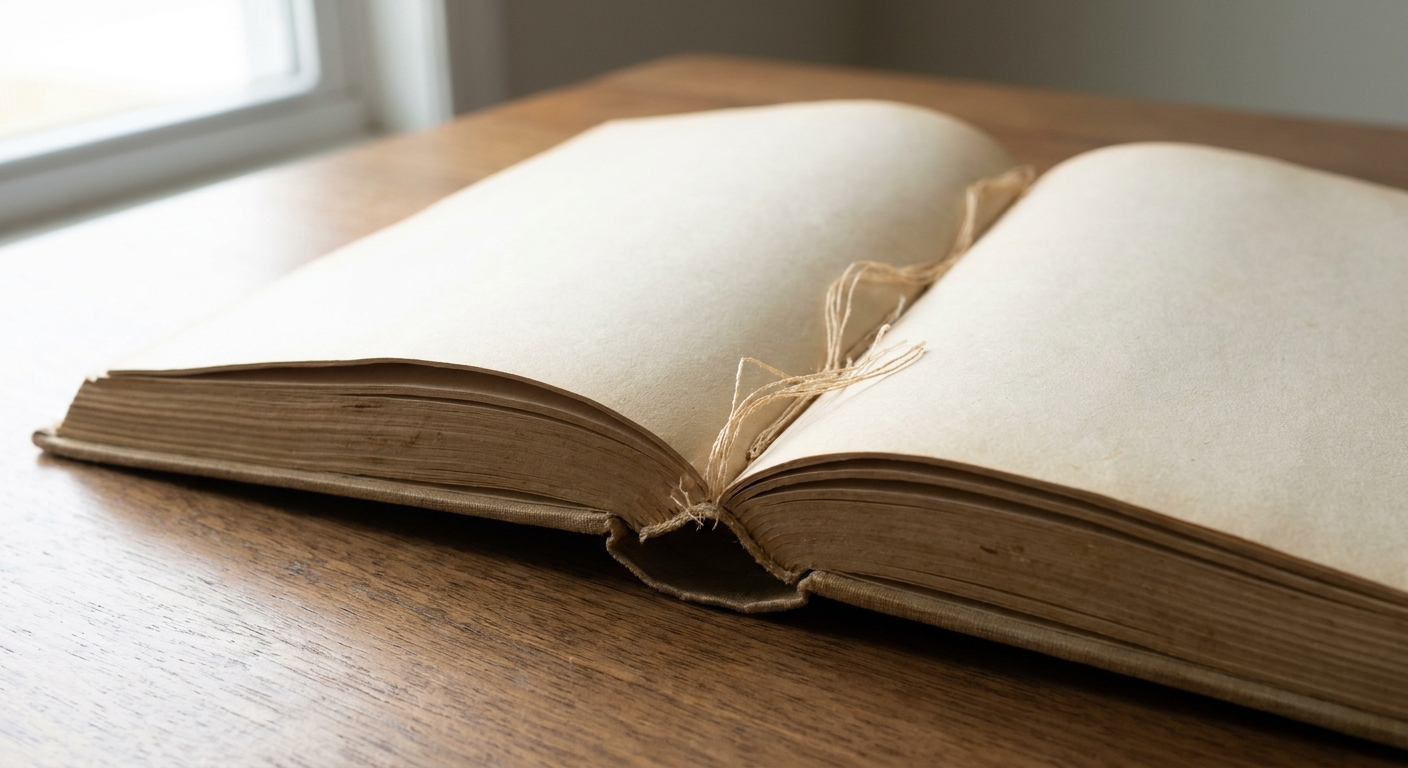
The most robust hardcover books utilize a technique called Smyth sewing. Instead of milling the spine into loose sheets, the printed pages are folded into small booklets called signatures. These signatures are mechanically sewn together with strong thread through the fold. Once all signatures are stitched into a single block, adhesive is applied to the spine to seal the threads before the block is attached to the hard case. This mechanical interlacing of thread and paper creates a bond that is virtually impossible to break through normal use.
Head-to-Head Comparison: Perfect Binding vs. Hardcover
Selecting between these two methods requires a detailed understanding of how they perform under different conditions.
Durability and Lifespan: Comparing Physical Resilience
When it comes to physical resilience, hardcover binding is superior. The rigid boards protect the corners of the pages from becoming dog-eared, and the sewn signatures prevent pages from ever pulling loose. Hardcovers are designed to last for decades, surviving heavy wear in libraries or on reference desks. Perfect binding is highly durable for everyday use, especially when utilizing PUR glue, but the flexible cover offers less protection against bending, and the adhesive spine can eventually weaken after years of intensive, repeated opening.
Aesthetics and Perceived Value
Hardcovers command immediate prestige. The weight, the rigid structure, and the option for tactile cover materials communicate authority and permanence. They are often treated as keepsakes or collector’s items. Perfect bound books offer a sleek, modern aesthetic. The flat, square spine provides excellent real estate for typography, making them highly visible on retail shelves. While they may not carry the same heirloom quality as a hardcover, a well-designed perfect bound book looks distinctly professional and polished.
Functionality: Lay-Flat Capabilities and Page Counts
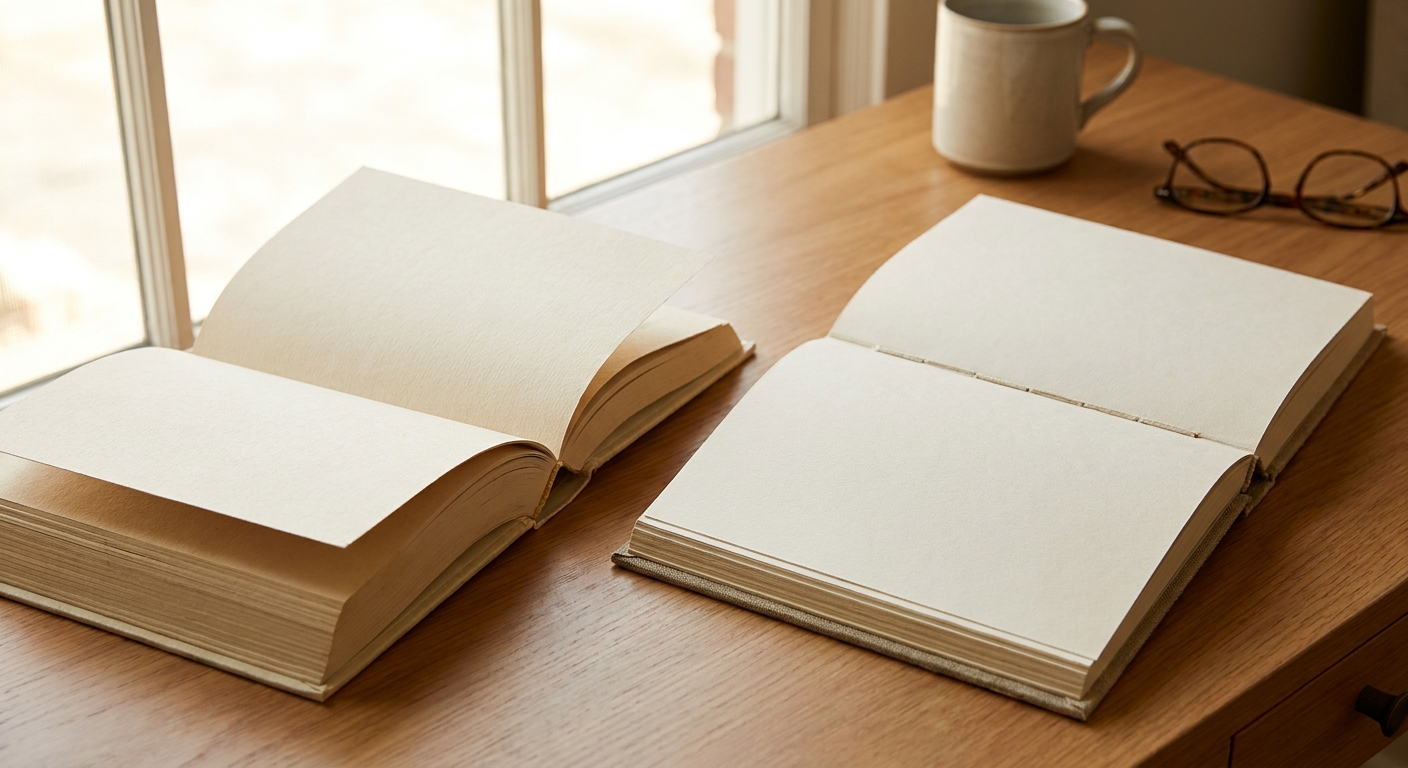
Because Smyth-sewn hardcovers are stitched through folded signatures rather than glued as single sheets, they possess excellent lay-flat capabilities. Readers can open the book flat on a desk without needing to hold the pages down, which is crucial for cookbooks, manuals, or art portfolios. Perfect bound books, by contrast, have a rigid glue line at the spine that creates tension. If forced completely flat, the spine may crease or the adhesive could be compromised. Regarding page counts, perfect binding is incredibly versatile for both thin volumes and thick catalogs, whereas hardcover binding typically requires a minimum spine thickness to properly form the case.
Ideal Use Cases for Each Binding Method
Matching the mechanical properties of the binding to the intended use of the publication ensures the best experience for the end user.
Best Applications for Perfect Binding
Perfect binding is the optimal choice for high-volume distributions and publications intended for standard handling. We highly recommend this method for:
- Corporate reports and product catalogs: Where a sleek, professional presentation is required.
- Trade magazines and literary journals: Which benefit from the lightweight and stackable square spine.
- Paperback novels and non-fiction titles: For standard retail distribution.
- Educational workbooks: Where the book is meant to be used heavily for a single season or course.
When to Opt for Hardcover Books
Hardcover binding should be selected when longevity, prestige, and heavy usage are the primary concerns. This method is ideal for photography monographs, fine art portfolios, and commemorative company histories. Additionally, reference books, academic textbooks, and children’s books benefit immensely from the rigid durability of a casebound cover. Any publication that requires the reader to reference the material hands-free should utilize a sewn hardcover to take advantage of its lay-flat mechanics.
Choosing the Right Binding for Your Publishing Project
Navigating perfect binding vs. hardcover: choosing the right binding for your book ultimately depends on your target audience, the expected lifecycle of the content, and how the book will be handled in its environment. If your project demands a lightweight, sleek, and highly professional finish for a broad audience, perfect binding provides an exceptional solution. If your work requires maximum physical resilience, lay-flat functionality, and a premium tactile experience, hardcover binding is the definitive choice.
By carefully evaluating these mechanical and aesthetic factors, you can ensure your publication makes the right impact from the moment it is picked up. We encourage you to reach out to our production team to discuss the specific engineering requirements of your next book project.