Can You Print Just One Copy of a Book? A Guide to Short-Run Book Printing

Navigating Print Finishes and Coatings
May 29, 2024
Perfect Binding vs. Hardcover: Choosing the Right Binding for Your Book
August 25, 2026Can You Print Just One Copy of a Book? A Guide to Short-Run Book Printing
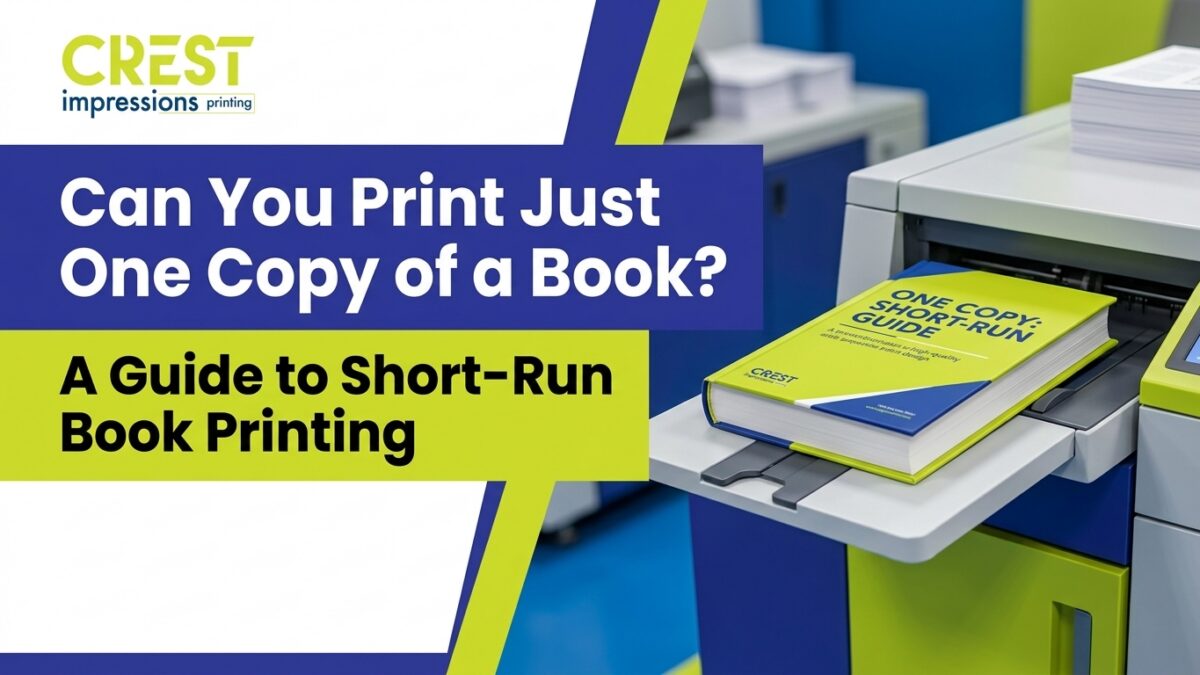
The publishing landscape has fundamentally changed, making it entirely possible to order a single, professionally bound book without committing to a massive inventory. If you are wondering, Can You Print Just One Copy of a Book? A Guide to Short-Run Book Printing, the answer is a resounding yes.
Modern print technology has removed the traditional barriers that once required authors and businesses to order hundreds of copies just to get their work on a press. Today, producing a solitary, high-quality book is not only possible but highly practical for a variety of projects.
Can You Really Print Just One Copy of a Book?
Yes, you can absolutely print just a single copy of a book. In the past, traditional printing methods relied on expensive setup processes, making small orders impossible to fulfill. Now, short-run book printing utilizes advanced digital presses that eliminate the need for physical printing plates. This means the first copy rolls off the press with the same crisp text and vibrant colors as the thousandth copy, allowing you to order exactly what you need, even if that number is one.
Top Reasons to Order a Single Book Print
Ordering a single book is a strategic choice for many creators and professionals. Without the pressure of a large print run, you have the freedom to experiment, review, and create unique items tailored to a specific audience.
Creating Personalized Gifts and Keepsakes
A custom-printed book makes an unforgettable gift. Whether you are compiling a family history, assembling a collection of cherished recipes, or printing a children’s story written specifically for a relative, a single-copy print transforms digital files into a tangible keepsake. These one-off projects carry immense sentimental value and look just as polished as anything found in a retail bookstore.
Building a Professional Portfolio
For graphic designers, photographers, and architects, presentation is everything. Printing a single, high-end portfolio book allows you to showcase your work in a tactile format that leaves a lasting impression during client meetings and interviews. You can update your digital files and print a fresh, single copy whenever you complete a major new project.
Producing Custom Business Manuals
Companies frequently need specialized documentation that only a handful of people will ever read. Printing a single copy of an employee handbook, a highly specialized training manual, or a customized pitch deck for a major client ensures that your corporate materials look authoritative and professional without generating excess waste.
Digital vs. Offset Printing: The Technology Behind Short Runs
Understanding how single-copy printing works requires a look at the two main types of commercial printing: digital and offset. Offset printing uses etched metal plates to transfer ink onto paper. Creating these plates is a time-consuming process, which is why offset is only practical for massive runs where the setup effort is spread across thousands of books. Digital printing, on the other hand, transfers toner or liquid ink directly onto the paper from a digital file. Because there are no plates to etch or align, the setup is nearly instantaneous. This technological shift is the engine behind short-run book printing, allowing us to produce a single book with incredible speed and precision.
Hardcover vs. Paperback: Format Options for Single Copies
Choosing to print just one copy does not mean you have to sacrifice formatting options. Digital short-run printing supports the same professional binding styles used by major publishing houses.
Premium Casebound Hardcovers
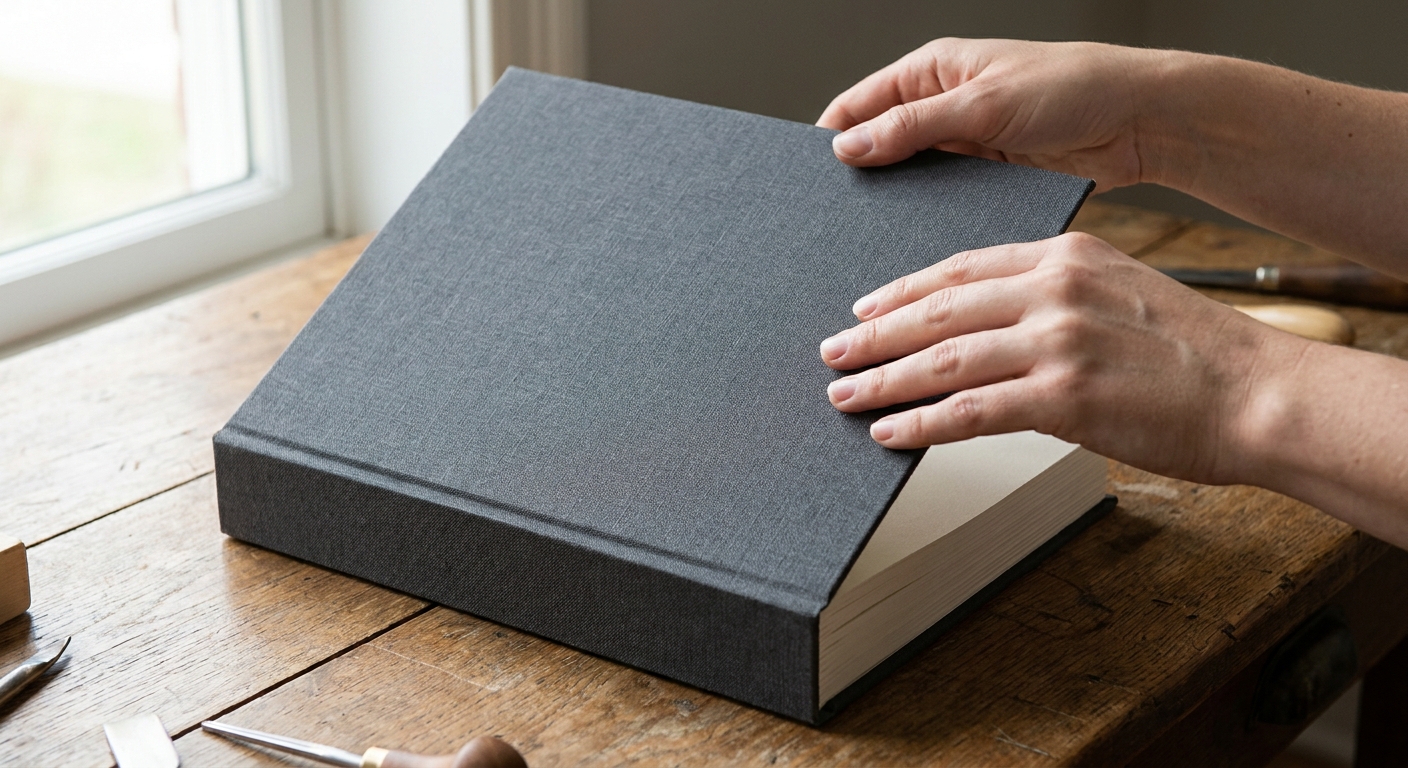
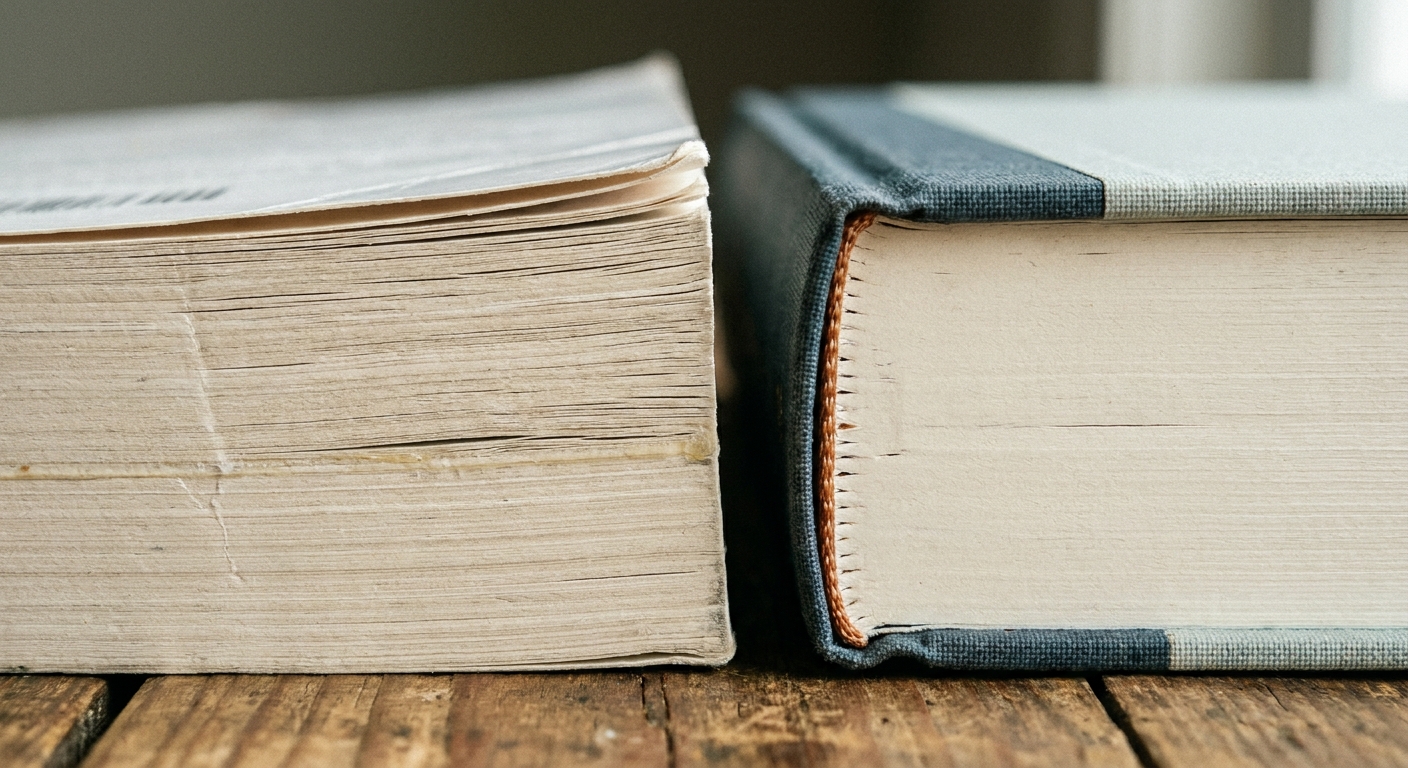
Hardcover, or casebound, books offer unmatched durability and a premium feel. When printing a single hardcover, the interior pages are glued or sewn together, then attached to a rigid exterior board covered in printed paper, cloth, or leather. This format is ideal for coffee table books, memoirs, and special presentation copies where longevity and a high-end aesthetic are paramount.
Standard Perfect-Bound Paperbacks
Perfect binding is the industry standard for paperback books. In this process, the interior pages are stacked, milled along the spine, and secured to a flexible wrap-around cover using a strong thermal adhesive. It is a highly versatile binding method perfect for novels, workbooks, and catalogs, offering a clean, professional spine and excellent durability for everyday handling.
Will a Single Printed Book Look Professional?
A common concern is that a one-off print might look like a homemade craft project rather than a real book. In reality, a single copy produced on a commercial digital press is virtually indistinguishable from a mass-produced title. The text is sharp, the images are vibrant, and the binding is secure. Since establishing our full-service commercial print shop in 1993, we have helped everyone from independent authors to large corporate clients produce flawless printed materials. As long as your digital files are prepared correctly, your single printed book will meet the highest standards of the publishing industry.
How to Prepare Your Files for a Flawless Single Print
The quality of your final book relies heavily on how well your digital files are constructed. To ensure your short-run book printing project turns out perfectly, you must adhere to strict prepress guidelines.
Setting Proper Bleeds and Margins
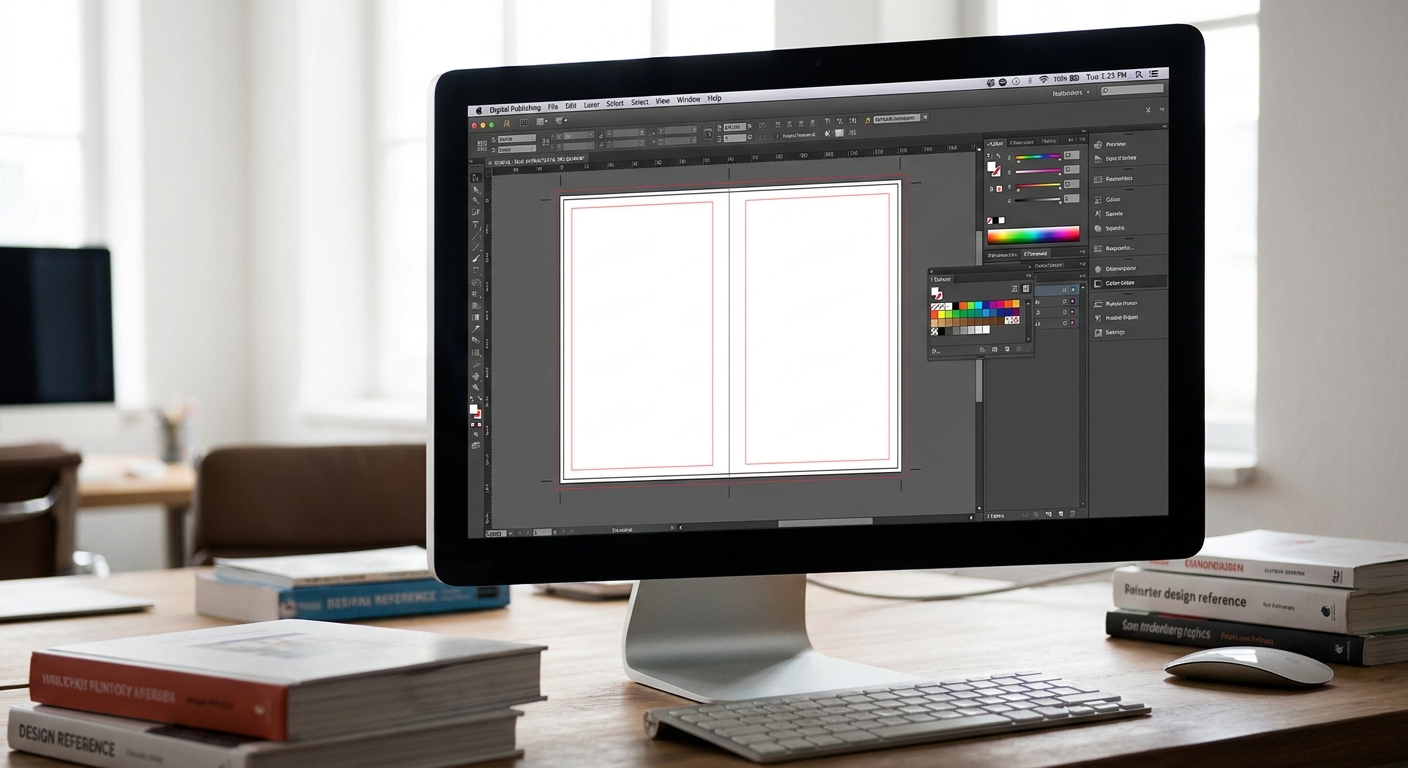
If your book includes images or background colors that extend to the very edge of the page, you must include a bleed. A bleed is an extra margin of artwork—typically an eighth of an inch—that extends beyond the final trim size. This ensures that when the book is cut to its final dimensions, there are no unprinted white edges. Additionally, you must set safe interior margins to keep your text away from the spine and the outer edges so it remains highly readable.
Embedding Fonts and High-Resolution Images
Missing fonts can cause a document to print with incorrect spacing or default system typography. Always embed your fonts before sending your files to the press. Similarly, all images must be high-resolution, generally 300 dots per inch (DPI), and converted to the CMYK color space. Images that look crisp on a glowing monitor can appear blurry or pixelated in print if they lack the necessary resolution.
Exporting a Press-Ready PDF
The universal standard for book printing is a press-ready PDF. This format locks in your layout, fonts, and graphics exactly as you designed them. When exporting, ensure you select the highest quality print settings, check the boxes to include crop marks and bleed margins, and export your interior pages as single pages rather than two-page spreads.
The Press Proof Advantage: Validating Your Work Before a Full Run
One of the most strategic reasons to order a single copy is to receive a press proof. A press proof is a fully bound copy of your book printed to verify that everything looks exactly as intended before you commit to a larger order. Holding a physical copy allows you to check the color saturation on the cover, ensure the margins are comfortable for reading, and verify that no formatting errors slipped past your digital review. Finding a typo or a layout issue on a single proof copy is an easy fix; discovering it after printing five hundred copies is a disaster. Validating your work with a physical proof is a crucial step in the publishing process.
Scaling Up: Transitioning from One Copy to a Larger Order
Starting with a single book gives you incredible flexibility. Once you have reviewed your proof and made any necessary adjustments to your files, transitioning to a larger print run is a seamless process. Because your files are already optimized and tested on the digital press, scaling up simply means updating the quantity for your next order. Whether you decide to print ten copies for close friends or five hundred copies for a retail launch, short-run book printing adapts to your exact needs. If you are ready to bring your manuscript to life, reach out to our team today to discuss your next printing project.